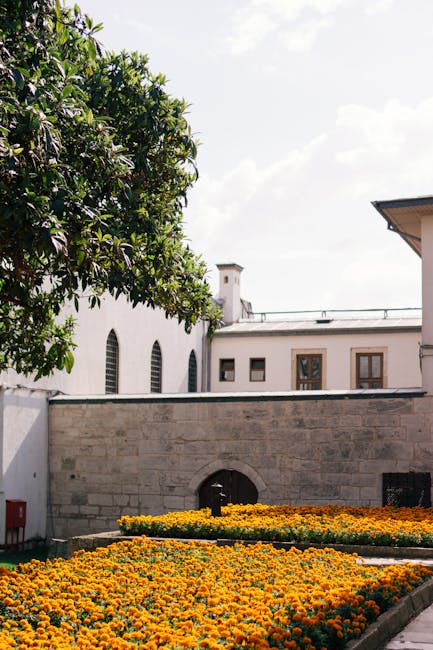
Parsons Green gardeners courtyard solutions near Fulham Palace
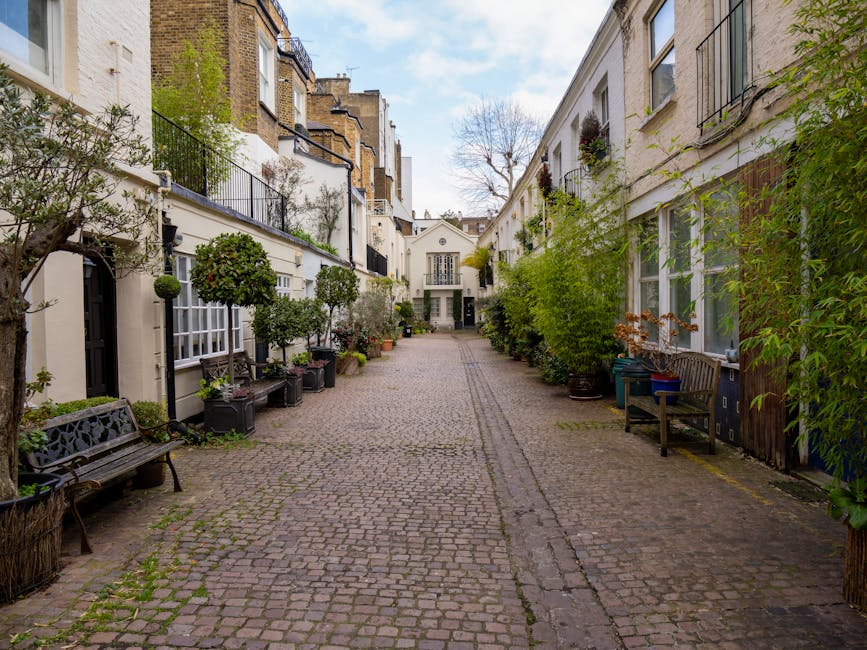
If you live or work near Fulham Palace and your courtyard feels too small, too shaded, or just a bit awkward, you are not alone. Courtyard spaces in this part of London often have charm, but they also bring their own quirks: limited sunlight, tight access, hard surfaces that glare in summer, and planting pockets that dry out faster than you expect. That is exactly where Parsons Green gardeners courtyard solutions near Fulham Palace can make a real difference.
In practice, good courtyard gardening is less about "filling space" and more about making every square metre earn its keep. A well-planned courtyard can soften brick, bring privacy, improve day-to-day usability, and make even a modest outdoor area feel calm and intentional. This guide walks through the design logic, the practical steps, the common mistakes, and the kinds of solutions that tend to work best in local London courtyards. Nothing fluffy. Just useful ideas you can actually use.
Why Parsons Green gardeners courtyard solutions near Fulham Palace Matters
Courtyards near Fulham Palace often sit between older masonry, boundary walls, narrow side returns, and busy everyday life. That mix creates opportunity and frustration in equal measure. The opportunity is obvious: you have a private outdoor room that can become a retreat, a dining spot, a planting feature, or a low-maintenance green pocket. The frustration comes from the details. Water can pool where the drainage is poor. Shade can dominate one corner while another bakes against a wall. A beautiful space can end up feeling underused because nobody quite knows how to organise it.
That is why a courtyard needs more than a tidy-up. It needs a plan. A local gardener who understands compact urban spaces will usually think in layers: structure first, then surfaces, then planting, then maintenance. That sequence matters. If you start with plants before solving access, drainage, or light levels, you often end up redoing the work six months later. To be fair, that is one of the most common and expensive mistakes people make.
There is also a lifestyle side to this. A small courtyard should not feel like a leftover patch. It should feel useful. You might want it for morning coffee, a quiet read after work, a safe space for children, or somewhere that looks polished when guests arrive. Near Fulham Palace, where the pace can feel busy but the properties still have character, courtyard solutions are especially valuable because they protect that sense of calm without needing a huge footprint.
If your courtyard has gone stale, the goal is not a dramatic makeover for its own sake. The goal is to make the space easier to live with. That simple shift changes everything.
How Parsons Green gardeners courtyard solutions near Fulham Palace Works
Courtyard solutions usually begin with a site assessment. A good assessment looks at light, wind, drainage, privacy, existing hard landscaping, and how the area is actually used. Not how you imagine using it in summer. How you really use it on an average Tuesday, which is a different thing entirely.
From there, the work usually breaks into a few practical stages:
- Space reading: measuring the courtyard, noting entrances, thresholds, downpipes, and awkward corners.
- Surface review: checking paving, grout, algae, settlement, cracks, and levels.
- Planting strategy: choosing plants that suit shade, reflected heat, shelter, and container growing.
- Structure and privacy: using trellis, screens, hedges, climbers, or raised elements to shape the room.
- Maintenance planning: deciding how much care the space will need over a month, not just a day after installation.
In compact courtyards, the best results often come from combining hard landscaping with soft planting. A few containers can do a lot when placed properly. A wall can become a vertical growing area rather than dead space. A narrow strip of paving can feel wider if the edges are softened with ground cover or clipped planting. If you want a useful example of that approach, see vertical gardening ideas that maximise small spaces.
Another important part of how this works is phasing. Courtyards do not always need everything done at once. Sometimes the smart move is to clean, repair, and replant in stages. That keeps disruption down and lets you see what the space needs before you commit to bigger changes. It sounds simple, but it saves a lot of regret later.
For many homes, the easiest entry point is maintenance and reset work. A deep clean, pruning, weed control, and a rethink of the planting scheme can produce a visible improvement without a full redesign. If you are weighing whether to refresh or completely rebuild, the article on budget-friendly ways to lift a garden is a useful companion read.
Key Benefits and Practical Advantages
The right courtyard solution does more than look nice. It changes how the space behaves and how you feel about using it.
- Better usability: the courtyard becomes somewhere you actually sit, not just somewhere you pass through.
- Improved privacy: screening and layered planting soften overlooked boundaries.
- Lower maintenance stress: structured planting and sensible materials reduce constant small jobs.
- More seasonal interest: you can build a courtyard that still looks alive in winter, not just in high summer.
- Cleaner visual lines: neat joints, defined edges, and good planting proportions make small spaces feel intentional.
- Better microclimate control: plants, containers, and screens can temper wind, heat, and reflection from surrounding surfaces.
One of the biggest advantages is psychological, honestly. A courtyard that feels balanced tends to make the whole property feel calmer. You step outside and instead of seeing a problem, you see a room. That matters more than people admit.
There are also practical gains. In a compact London courtyard, properly selected planting can reduce hard-surface glare, support biodiversity, and help with surface water management by absorbing more moisture around the edges. It is not magic, but it is meaningful.
And yes, there is value in getting the boring bits right. People often focus on plants first. Yet clean paving, safe access, and sensible edging are what make the planting succeed. If your courtyard floor is tired or slippery, a service such as patio cleaning can be the quickest route to making everything else look better.
Who This Is For and When It Makes Sense
Courtyard solutions are a strong fit for a wide range of people, but especially for those with limited outdoor space and specific expectations for it.
- Homeowners who want a more usable outdoor room without turning it into a high-maintenance project.
- Landlords and property managers who need a space that looks cared for and holds its appearance well.
- Busy professionals who want the space to be attractive but manageable.
- Families who need seating, safety, and a bit of resilience against heavy use.
- Older properties where the courtyard needs gentle improvement rather than a harsh modern overhaul.
- Plant lovers who need smarter ways to grow in shade, containers, or narrow margins.
It makes sense to invest in courtyard work when the space feels underused, looks dated, or is becoming inconvenient. Maybe the paving is patchy. Maybe the border planting keeps failing. Maybe the space has become a dumping ground for furniture, bikes, and forgotten pots. Happens all the time.
It also makes sense if you are planning to sell or let a property. A courtyard does not need to be extravagant to add appeal. It just needs to feel finished. People notice that immediately, even if they do not say it out loud.
If the space already has structure but lacks spark, adding the right plant layers and seasonal interest can be enough. For those awkward shaded corners, a guide like shady-zone climber ideas can help you reframe what the area can do.
Step-by-Step Guidance
Here is a sensible way to approach a courtyard project without overcomplicating it.
- Clear the space properly. Remove clutter, dead plants, damaged pots, and anything blocking access. You need to see the bones of the courtyard before you can improve it.
- Inspect the surfaces. Look for loose paving, slippery areas, pooling water, and soil build-up around the edges. Small defects often explain why a space never quite feels right.
- Map the light. Spend time in the courtyard at different points in the day. Morning, midday, late afternoon. The light changes the planting plan more than most people expect.
- Decide on the main function. Is this a seating area, a transition space, a planting-led courtyard, or a blend of all three? One clear function stops the layout becoming muddled.
- Choose structure first. Screens, trellis, wall planters, edging, and containers give the courtyard shape. Plants come after that.
- Add planting in layers. Use a mix of heights and textures. One-dimensional planting can look flat in a small space.
- Finish with maintenance logic. Make sure you can reach every pot, inspect drainage, and clean surfaces without moving half the garden.
That sequence may sound a bit unglamorous, but it is the difference between a space that works and a space that looks good for a fortnight. The best courtyard jobs are rarely the flashiest ones. They are the ones that still make sense six months later.
If you are starting from scratch, it helps to keep the first phase low-risk. A simple reset, some reliable containers, a couple of climbers, and a defined seating area can already transform the feel. For beginners, a practical garden transformation guide for beginners is a good way to think through the early decisions.
Expert Tips for Better Results
In smaller courtyards, little decisions have a big effect. That is the honest truth. Here are the moves that consistently help.
- Use repetition carefully. A repeated pot shape, plant type, or material creates calm. Too much variety makes the space feel busy.
- Keep one strong focal point. It might be a bench, a specimen plant, a water feature, or a beautifully dressed wall.
- Choose plants that can cope with the real conditions. Shade, reflected heat, and wind tunnels all matter in London courtyards.
- Think vertical. Walls and fences are opportunities, not dead boundaries.
- Prioritise drainage. Containers and paving both need water to move away cleanly. Wet roots are a common problem in hidden corners.
- Keep maintenance realistic. If you only want to spend an hour a fortnight on the space, design for that from the start.
A small human tip from day-to-day work: if a courtyard feels cramped, reduce visual noise before adding more plants. Fewer container styles, cleaner edges, and a more disciplined colour palette can make the space feel bigger immediately. It is almost rude how well that works.
For planting ideas, ground cover is often underrated. It softens edges, reduces bare patches, and can help unify awkward spaces. You can explore the concept through ground cover plants for UK gardens, which is especially helpful where the courtyard needs a softer finish.
Another smart move is to consider seasonal resilience. If your courtyard catches cold winter winds, some plants will look exhausted by January. Building in protection early saves disappointment later. A useful read on that theme is garden protection strategies against wind.
Common Mistakes to Avoid
Courtyard projects tend to go wrong in predictable ways. Avoiding these issues is half the job.
- Overplanting: a crowded courtyard can feel smaller than it is and becomes harder to maintain.
- Ignoring shade: plants that need bright light will struggle in enclosed or north-facing spaces.
- Using too many materials: mixing lots of paving, gravel, timber, and container styles can create visual clutter.
- Forgetting access: if you cannot comfortably water, prune, or clean a feature, it will slowly become annoying.
- Skipping surface repair: new plants will not hide poor paving for long.
- Choosing decoration before structure: cushions and ornaments are fine, but they do not solve layout problems.
One more thing, because it comes up a lot: do not assume a small space needs small plants only. A carefully placed climber, sculptural shrub, or tall container planting can add height without crowding the floor. The trick is proportion, not size alone.
For people who want a courtyard to feel greener without becoming high-maintenance, combining a few reliable plants with a stable maintenance schedule is usually the safest route. If dogs use the space, it is worth thinking about resilience and safe pathways too; the article on gardening with dogs in mind covers some good practical thinking.
Tools, Resources and Recommendations
You do not need a van full of kit to improve a courtyard, but the right tools make the work cleaner and faster.
- Hand fork and trowel: useful for containers, edging, and tight planting pockets.
- Secateurs: essential for pruning, deadheading, and climber maintenance.
- Pressure washer or patio cleaner: helpful for surface preparation and ongoing care, used carefully.
- Good watering can or hose setup: crucial where containers dry out quickly.
- Gloves and kneeling pad: small comfort, big difference if you are working in a compact space.
- Quality compost and mulch: these improve moisture retention and plant health.
For many small courtyards, container gardening is the backbone of the whole design. It lets you control the soil, move plants if needed, and create interest at different heights. If that sounds like your kind of setup, this container gardening guide is worth a look.
If the courtyard has awkward height limitations or needs a modern, light-footed design, vertical features can unlock a lot of potential. The piece on vertical gardening is a useful companion if you are deciding whether to go up rather than out.
And if you want the space to feel more restful, not just prettier, soft planting and a defined seating zone can make a huge difference. The ideas in calming zen garden design can help shape that mood without overdoing it.
One sensible recommendation: keep your materials easy to maintain. In a courtyard, pretty-but-fussy finishes can become a burden fast. Life is busy. The garden should help, not add another chore list.
Law, Compliance, Standards, or Best Practice
For private courtyard work, most of the relevant standards are about safety, access, and responsible practice rather than red tape. If the project involves significant changes to structures, walls, drainage, tree work, or boundaries, it is wise to check whether permissions, property boundaries, or neighbour considerations apply. That is especially true in older London properties where walls, shared access, and drainage runs can be a little messy behind the scenes.
Good practice also means working safely and keeping the site tidy. Gardeners should follow sensible health and safety habits, use equipment properly, and keep access routes clear. If a contractor is working near trip hazards, slippery paving, or awkward edges, a methodical approach matters. You can read more about that mindset in the site's health and safety policy and insurance and safety information.
Accessibility is another practical point that often gets overlooked. A courtyard should be pleasant to use, not just attractive from the back door. Door thresholds, pathway widths, surface grip, and step placement all affect how the space feels day to day. Even if you are not designing for formal accessibility needs, it is simply sensible to make movement easy. The accessibility statement offers a useful reminder that outdoor spaces should work for more than one type of user.
On the admin side, it helps to understand how quotes, payment, and service terms are handled before work begins. Clear expectations reduce friction. You can review the relevant pages on pricing and quotes, payment and security, and terms and conditions.
Finally, if your courtyard project involves disposal of waste, responsible clearing and recycling are part of good practice too. It is the unglamorous side of the job, but it matters. A tidy finish says a lot.
Options, Methods, or Comparison Table
Different courtyard solutions suit different goals. Here is a simple comparison to help you decide where to begin.
| Approach | Best for | Strengths | Watch-outs |
|---|---|---|---|
| Light refresh | Spaces that are structurally sound but tired | Fast, cost-conscious, low disruption | Won't fix drainage or layout issues |
| Plant-led makeover | Courtyards with decent paving but little atmosphere | Big visual improvement, flexible, seasonal interest | Needs regular watering and pruning |
| Structural redesign | Spaces with poor flow, bad surfaces, or privacy problems | Most transformative, solves root issues | More planning, more cost, more disruption |
| Low-maintenance container scheme | Busy households and rental properties | Easier to manage, adaptable, neat appearance | Containers dry out quickly and need feeding |
If you are unsure which route to take, start with the weakest point. A beautiful planting scheme does not compensate for standing water. A new screen does not help if the floor is slippery. That sounds obvious, but in the real world people often chase the visible problem first.
Case Study or Real-World Example
Here is a typical example based on the kind of courtyard work that often comes up near Fulham Palace. A compact rear courtyard had good bones but felt gloomy and underused. The paving was sound, but algae made it dull. One side was shaded for most of the day, while the opposite wall reflected heat in summer. The owners wanted a place to sit with a cup of tea in the morning and something that looked decent year-round, without turning into a maintenance headache.
The first move was a full clear-out and surface clean. That immediately made the area feel larger. Next came a simple layout: one seating zone, a narrow planting run along the shadier side, and taller container plants to break up the sightline. The bright side used more drought-tolerant planting and a few larger pots to soften the heat-reflective wall. A climber was added to create height without losing floor space.
The transformation was not dramatic in a showy way. It was better than that. The courtyard became usable. More inviting. The owners could sit out there without the space feeling like a leftover utility corner. A small change, but a meaningful one. On wet mornings, the cleaned paving made the area feel cared for. On warm evenings, the planting gave the courtyard a little privacy and softness.
If the same site had been tackled with plants alone, it would probably have struggled. The win came from layering the solution: cleaning, structure, planting, and maintenance planning. That is the pattern that works again and again.
Practical Checklist
Use this checklist before starting or refreshing a courtyard project:
- Check how the space is used now, not how you wish it were used.
- Note where shade, sun, and wind hit during the day.
- Inspect paving, steps, drainage, and boundary walls.
- Decide the courtyard's main job: sitting, planting, access, privacy, or mixed use.
- Choose materials that are easy to clean and maintain.
- Use containers, climbers, or screening where floor space is limited.
- Pick plants that match the actual conditions.
- Keep pathways clear and movement simple.
- Plan watering and upkeep before the work begins.
- Make sure the finished space feels calm, not crowded.
A quick one-line reminder: if a courtyard looks lovely but is awkward to use, it still is not quite right.
Conclusion
Good courtyard gardening near Fulham Palace is really about turning constraints into something generous. Small space, limited light, tricky paving, awkward access - none of that has to stop the courtyard from becoming one of the best parts of the property. With the right structure, planting, and maintenance approach, even a modest courtyard can feel composed, welcoming, and properly finished.
Whether you want a clean refresh, a more private retreat, or a full redesign, the best Parsons Green gardeners courtyard solutions near Fulham Palace start with honest assessment and sensible choices. Keep the layout simple, let the planting suit the conditions, and do not ignore the boring bits. That is where the good result usually lives.
If you are ready to explore what your courtyard could become, the next sensible step is to compare your options, define your priorities, and get advice that fits the space rather than forcing the space to fit the idea.
Get a free quote today and see how much you can save.
Sometimes the smallest garden room ends up giving you the biggest lift. Funny how that works.
Frequently Asked Questions
What are Parsons Green gardeners courtyard solutions near Fulham Palace best used for?
They are best used for making compact outdoor spaces more attractive, more usable, and easier to maintain. That can mean cleaner paving, better privacy, improved planting, or a more relaxed seating area.
Can a small courtyard really feel bigger with the right design?
Yes. It often feels bigger when clutter is reduced, planting is layered properly, and the eye is guided by structure rather than busy detail. Vertical elements help a lot too.
What plants work well in a shaded courtyard?
Shade-tolerant climbers, textured foliage plants, and resilient container species are usually the most dependable. The exact choice depends on how much light the space actually gets through the day.
Do courtyard gardens need a lot of maintenance?
Not necessarily. A well-designed courtyard can be quite manageable if the planting palette is sensible and the layout is simple to clean and water. Containers do need regular attention, though.
Is patio cleaning worth doing before planting?
Yes. Cleaning helps you assess the true condition of the space and makes the whole courtyard look brighter immediately. It also reduces slippery algae and gives new planting a cleaner backdrop.
What is the biggest mistake people make with courtyard gardens?
Overcomplicating the space. Too many materials, too many plant types, and too much decoration can make a small courtyard feel smaller and harder to use.
Can climbers help with privacy in a courtyard?
Absolutely. Climbers are one of the best ways to add height and screening without taking up much floor space. They are especially useful on walls and fences.
How do I make a courtyard more relaxing?
Use a limited colour palette, comfortable seating, softer planting, and one clear focal point. A calm courtyard usually feels organised before it feels decorative.
Should I redesign the whole courtyard or start with a refresh?
If the structure is sound, a refresh is often the smartest first move. If the paving is failing, drainage is poor, or the layout does not work, a fuller redesign may be the better choice.
Are container gardens practical in London courtyards?
Very practical, yes. They are flexible, suit small spaces, and let you control the growing conditions more closely. The trade-off is that they can dry out quickly and need feeding.
What should I ask before hiring help for a courtyard project?
Ask how they would assess the space, whether they would address drainage and access first, what kind of maintenance the finished design will need, and how they handle waste, safety, and timelines.
How soon can a courtyard improve visually?
Sometimes immediately. A deep clean, pruning, and a better layout can make a big difference in a single visit, while planting changes may take a little longer to settle in.
Where can I learn more about related garden services?
You can explore broader options through the site's gardening services, garden maintenance, and about us pages for a better sense of the approach and support available.