Tree Lopping and Removal in Sands End: Safe, Professional Solutions for Local Properties
Tree lopping and removal in Sands End is an essential service for homeowners, landlords, businesses, and property managers who want to keep outdoor spaces safe, tidy, and visually appealing. Whether a tree is becoming overgrown, blocking light, leaning dangerously, or suffering from disease, professional help can make all the difference. In an area like Sands End, where gardens, pavements, driveways, and commercial plots often sit close together, careful tree care is not just about appearance; it is also about safety, compliance, and protecting nearby structures.
From routine branch reduction to full tree removal, the right approach depends on the condition of the tree, its location, and the risks involved. Many people search for tree lopping Sands End or tree removal Sands End when they notice a problem, but understanding the process before starting work helps ensure the best result. Professional arborists use specialist equipment and knowledge to handle trees efficiently while keeping disruption to a minimum.
In this article, we explore the practical reasons for tree lopping and removal, the benefits of professional services, the local considerations in Sands End, and how to maintain a healthy and attractive landscape all year round. If you need safer outdoor spaces, improved light, or help managing large trees responsibly, tree lopping and removal in Sands End offers a reliable solution.
Why Tree Lopping and Removal Matters in Sands End

Tree management is often overlooked until a branch falls, a canopy becomes too dense, or roots begin to interfere with paths and foundations. In Sands End, where residential streets and riverside surroundings create a mixture of dense planting and built-up areas, tree lopping and removal can help prevent hazards before they become serious. Regular attention keeps trees healthy, ensures safer access, and reduces the likelihood of expensive damage.
Many property owners assume a tree only needs attention when it looks visibly unstable. In reality, problems can develop gradually. Deadwood, crossing branches, poor structure, and overcrowded crowns may not be obvious from the ground, but these issues can still create risks. With expert tree lopping in Sands End, branches can be reduced strategically to improve balance, airflow, and light penetration.
Tree removal becomes necessary when a tree is beyond saving, badly diseased, causing structural concerns, or positioned in a way that makes safe retention unrealistic. In these cases, a skilled team can remove the tree carefully, protect nearby property, and leave the site ready for future landscaping. This is why professional assessment is so important before deciding whether pruning or removal is the best option.
Common Reasons for Tree Lopping in Sands End
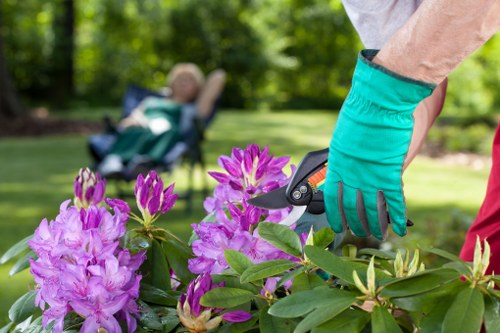
Tree lopping is often requested when a tree becomes too large for its location. A mature canopy can quickly outgrow a small garden or narrow side access, causing shade, leaf buildup, and interference with neighbouring spaces. In busy parts of Sands End, this can affect both private homes and commercial premises. Reducing branches can restore usability without requiring full removal.
Another common reason is to improve safety. Overhanging branches near roofs, windows, fences, and public walkways can break during high winds or heavy rain. Branches rubbing against buildings may also cause wear over time. With careful tree lopping and removal in Sands End, these risks can be reduced while preserving the shape and health of the tree where possible.
Light improvement is also a major factor. Gardens, patios, and offices all benefit from better natural light. Dense tree canopies can make outdoor spaces feel damp, dark, and less inviting. Through selective crown reduction, crown thinning, and branch removal, more daylight can reach the ground without stripping the tree of its natural character.
Signs a Tree May Need Attention
Look for these warning signs:
- Large dead or broken branches
- Rapid leaning or movement in strong wind
- Fungal growth around the trunk or base
- Cracks in major limbs
- Branches touching roofs or cables
- Poor leaf coverage or visible dieback
When Tree Removal Is the Right Choice

Not every tree can or should be saved. In some situations, tree removal in Sands End is the safest and most practical decision. A tree may be too damaged by disease, storm impact, root failure, or internal decay to recover. If it is structurally unsafe, the risk of falling branches or toppling increases significantly. Removal helps protect people, property, and surrounding trees from further issues.
Tree removal is also common when new construction, extensions, drainage work, or landscaping changes require space. In tightly arranged urban environments, roots may conflict with paving, retaining walls, or underground utilities. A carefully planned removal process allows development to continue while maintaining control over the site. This is especially useful for property upgrades where space is at a premium.
In some cases, a tree may not be dangerous but may still be unsuitable for the long term. Some species grow too aggressively, cast excessive shade, or shed large amounts of debris. If maintenance is becoming too costly or time-consuming, removal may be the better investment. A professional arborist can assess the situation and recommend whether lopping, reduction, or complete removal is the most sensible option.
Situations That Often Require Tree Removal
These circumstances frequently lead to removal decisions:
- Severe storm damage affecting structural integrity
- Advanced disease or decay
- Uplifting roots damaging hard surfaces
- Tree instability near homes or roads
- Obstruction of essential building works
The Professional Tree Lopping Process

Professional tree lopping and removal in Sands End begins with an inspection. The tree is examined for signs of disease, structural weakness, growth pattern, and proximity to surrounding features. This assessment helps determine the most suitable method of work, whether that means pruning, crown reduction, or full removal. A thoughtful approach reduces unnecessary stress on the tree and keeps the result balanced.
Once the plan is established, the team prepares the area. This may include barriers, signage, and equipment positioning to protect gardens, driveways, and nearby structures. Branches are then cut in stages using suitable climbing or access techniques. Careful cutting is essential because poor lopping can lead to weak regrowth, decay, or a distorted shape. Proper arboricultural practice focuses on long-term tree health as well as immediate safety.
After the branches are removed, the site is cleared thoroughly. Debris is collected, wood is cut down to manageable pieces, and the surrounding area is left tidy. For many clients, this clean finish is one of the biggest advantages of hiring professionals. It saves time, reduces effort, and ensures the property is ready to use again quickly. In this way, tree lopping Sands End services combine practical efficiency with careful workmanship.
Typical Steps in a Tree Work Visit
- Initial inspection and risk assessment
- Advice on pruning or removal options
- Site protection and equipment setup
- Branch reduction or sectional dismantling
- Waste collection and final clearance
Why Professional Expertise Is Important
Tree work may look simple from a distance, but it often involves significant risk. Chainsaws, climbing systems, heavy branches, and unpredictable tree movement all require training and experience. Attempting major tree lopping or removal without the right knowledge can lead to accidents, property damage, or long-term harm to the tree environment. That is why tree lopping and removal in Sands End should always be carried out by qualified professionals.
Professionals understand how different species respond to cutting. Some trees tolerate pruning well, while others can suffer stress or disease if cut too heavily. A skilled arborist knows how to preserve natural form, encourage healthy regrowth, and avoid leaving dangerous stubs or vulnerable wounds. This expertise is especially valuable in Sands End, where trees often sit close to walls, pathways, and neighbouring gardens.
Another major advantage is efficiency. An experienced team can complete work faster and more safely than an untrained person using limited equipment. They also know how to manage waste responsibly and navigate local access challenges. For property owners, this means less disruption and greater peace of mind. If the job involves complicated access, tall trees, or restricted space, professional support becomes even more important.
Benefits of Using Qualified Tree Surgeons
- Reduced risk of injury and property damage
- Correct pruning methods suited to the tree species
- Better long-term health for retained trees
- Efficient removal and waste handling
- Clear advice on safety and future maintenance
Local Considerations for Tree Work in Sands End
Sands End has its own characteristics that influence how tree work should be approached. Space can be limited, access routes may be narrow, and neighbouring properties may be close by. These factors make planning essential. A good tree service will consider the layout of the site, the size of the tree, nearby utilities, and the best way to complete the work with minimal disruption.
Weather conditions also play a role. High winds, rain, and damp ground can affect safety and equipment use. Professional teams monitor conditions closely and schedule work accordingly. In a built-up area, extra care is needed to prevent debris from affecting roads, footpaths, or adjoining gardens. This is one reason local expertise matters when arranging tree removal Sands End or related pruning services.
Another important factor is legal compliance. Some trees may be protected by Tree Preservation Orders or sit within conservation areas. Before work begins, checks may be needed to ensure permission is in place. This helps avoid penalties and ensures any tree lopping or removal is carried out responsibly. A knowledgeable arborist can advise on the appropriate process and help clients proceed with confidence.
Health, Safety, and Environmental Responsibility
Good tree management is about more than cutting back branches. It is also about protecting people and supporting the local environment. When a tree is lopped or removed properly, the surrounding area can benefit from improved light, safer access, and reduced risk of falling limbs. At the same time, the work should be done in a way that respects wildlife and avoids unnecessary harm.
Before any major tree work, it is sensible to consider nesting birds, bats, and other protected species. Responsible professionals will check for signs of wildlife activity and adjust timing or methods where necessary. This approach supports biodiversity while still allowing essential maintenance to go ahead. In a green area like Sands End, this balance is particularly important.
Safety is equally vital. Proper personal protective equipment, controlled cutting techniques, and secure work zones all contribute to a safer outcome. Good practice also includes clearing debris promptly and ensuring that stumps, roots, and cut surfaces are managed appropriately. Whether the job is a simple reduction or full removal, careful execution is always the priority.
What Responsible Tree Work Should Consider
- People, pets, and nearby property
- Wildlife and nesting seasons
- Tree species and structural health
- Waste disposal and recycling options
- Future maintenance needs
Tree Lopping vs Tree Removal: How to Choose
Choosing between tree lopping and removal depends on the condition of the tree and your goals for the property. If the tree is healthy but too large, selective pruning may be enough. If it is diseased, unstable, or in the wrong place, removal may be the safer long-term choice. A professional can explain the pros and cons of each option and help you make a practical decision.
Tree lopping in Sands End is often preferred when the aim is to retain the tree, improve shape, and reduce interference. It can enhance light, reduce wind resistance, and make a garden more manageable. By contrast, removal is usually chosen when the tree presents an ongoing risk or when the site needs to be repurposed. Both services have value when used at the right time for the right reasons.
There is also a financial angle to consider. Regular pruning may extend the life of a tree and reduce future costs, while delayed action can lead to emergency removal or property repairs. Investing in timely maintenance is often more cost-effective than waiting for a problem to worsen. For that reason, many Sands End property owners choose to schedule periodic inspections and stay ahead of potential issues.
Practical Questions to Ask Before Work Begins
- Is the tree healthy enough to retain?
- Will pruning solve the current issue?
- Is there any risk to buildings or utilities?
- Are permissions required before work starts?
- What will happen to waste and debris?
Maintaining Your Trees After Lopping or Removal
After tree lopping and removal in Sands End, ongoing maintenance helps protect your landscape investment. If a tree has been pruned, it may need occasional monitoring for regrowth, deadwood, or structural changes. If a tree has been removed, the stump, soil condition, and available space may need attention before replanting or redesigning the area.
Regular inspections are one of the simplest ways to keep outdoor areas in good condition. Spotting cracks, fungal signs, or excess growth early can prevent major issues later. Well-maintained trees are more attractive, safer, and easier to manage. Even if a tree seems stable now, seasonal checks can reveal changes that might otherwise go unnoticed.
It can also be worth thinking about future planting. If a large tree has been removed, a suitable replacement may improve biodiversity and restore visual balance. Choosing the right species and planting location can prevent the same problems from returning. This forward-thinking approach makes tree lopping and removal Sands End part of a wider, smarter landscape strategy.
Why Sands End Residents and Businesses Benefit from Timely Tree Work
Timely tree care supports both appearance and functionality. For homeowners, this can mean brighter gardens, safer paths, and less debris around the property. For businesses, it may mean better curb appeal, reduced liability, and a more welcoming exterior. In every case, professional tree lopping and removal can help create a cleaner, more manageable space.
Acting early also reduces stress. A tree that is addressed before it becomes an emergency is easier to manage, cheaper to handle, and less likely to cause disruption. This is especially true in busy areas where access can be challenging and delays can be costly. When you choose the right service at the right time, you protect both your property and your peace of mind.
Whether you need a one-off intervention or an ongoing maintenance plan, tree lopping and removal in Sands End can be tailored to your property’s needs. From crown reduction to sectional dismantling, from stump clearing to site tidy-up, the aim is always the same: a safer, healthier, and more attractive outdoor environment.
Final Benefits at a Glance
- Improved safety around homes and businesses
- Better light and usable garden space
- Reduced risk of storm damage
- Healthier retained trees through proper pruning
- A cleaner, more presentable property
If you are considering tree lopping and removal in Sands End, now is the time to take action. Contact us today to discuss the safest and most suitable option for your tree and property. Book your service now and keep your outdoor space under control with professional care.