Recycling and Sustainability for Gardeners Sands End
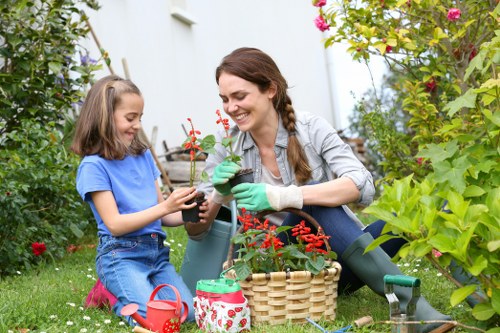 Gardeners Sands End is committed to a cleaner, more resourceful way of working, with recycling and sustainability built into everyday site operations. In a neighbourhood shaped by riverside living, compact streets, and a mix of homes, gardens, and managed green spaces, a thoughtful Gardeners Sands End approach helps reduce waste, conserve materials, and support the wider local push toward lower emissions. Our recycling percentage target is to keep at least 85% of green waste and reusable materials away from landfill, with regular checks on sorting, storage, and recovery methods so that material is diverted to the highest practical use.
Much of the sustainability work begins on site, where waste separation is handled carefully to suit the borough’s expectations around mixed materials, green waste, and limited general refuse. In practice, that means keeping soil, plant cuttings, timber, cardboard, plastics, and metal fixings in distinct streams wherever possible. For Gardeners Sands End recycling, this attention to detail makes a real difference: mulchable branchwood can be chipped, compostable waste can be processed, and clean hard materials can be sent onward for further recovery instead of being treated as general rubbish.
 Local handling routes also matter. When a project generates surplus aggregates, damaged planters, or old fixtures, we use nearby local transfer stations and approved waste facilities to make sure items are weighed, sorted, and directed responsibly. This local network supports efficient journeys and helps minimise unnecessary travel across London. It is particularly valuable in an area like Sands End, where careful logistics and shorter transport legs help reduce congestion and lower the overall carbon impact of each job.
Recycling is not treated as a side task; it is part of the way we plan and deliver outdoor work. We look for opportunities to reuse healthy timber offcuts, repurpose containers, and recover materials from seasonal clearance jobs. In boroughs where waste separation is increasingly organised around clear material categories, we align our methods accordingly, separating organic matter from inert waste and keeping recyclable packaging free from contamination. That approach supports both the local environment and the performance of Gardeners Sands End services across the seasons.
Our sustainability policy also includes partnerships with charities and community organisations. Usable garden furniture, serviceable tools, terracotta pots, and other surplus items are identified for donation whenever they can be given a second life. These partnerships with charities help reduce avoidable waste and support causes that benefit residents, community gardens, and local green initiatives. Rather than sending everything to disposal, we aim to channel suitable items into reuse pathways that extend their value and reduce demand for new production.
 The same principle applies to our transport fleet. We increasingly rely on low-carbon vans that are selected for efficiency, reduced emissions, and suitability for urban routes. Short-distance, well-planned journeys help lower fuel use, while modern vehicle standards make a meaningful difference to air quality in densely populated parts of the borough. By using low-emission vehicles and combining tasks into smarter routes, Gardeners Sands End recycling and sustainability efforts are supported from the ground up, not only through waste handling but also through how we move between sites.
There is also a strong emphasis on composting and organic recovery. Leaf litter, grass cuttings, soft prunings, and other green material are gathered separately so they can be turned into compost or mulch where facilities allow. This is especially useful for landscape maintenance and garden clearance work, where a large portion of the material is biodegradable. Keeping organic waste out of mixed bins improves recovery rates and supports healthier soil restoration, helping close the loop between gardening activity and future growth.
In practical terms, the Gardeners Sands End recycling programme benefits from a simple rule: the cleaner the separation, the better the outcome. Clean card, paper, plastics, metals, and untreated wood can often be sent to specialist processors, while rubble and soil are managed through appropriate inert waste channels. When the borough encourages residents and contractors to separate waste streams carefully, we mirror that behaviour on site. This consistency is important for meeting the recycling target and for ensuring that recyclable items do not become contaminated at the point of collection.
We also pay close attention to the materials used in the first place. Where possible, we choose durable products, refillable consumables, and repairable equipment so that fewer items need to be replaced. Sustainable purchasing reduces the amount of future waste and supports a circular approach to operations. For a service such as Gardener Sands End, that means the responsibility begins before disposal and continues through every stage of a project, from planning and packing to reuse, recovery, and final processing.
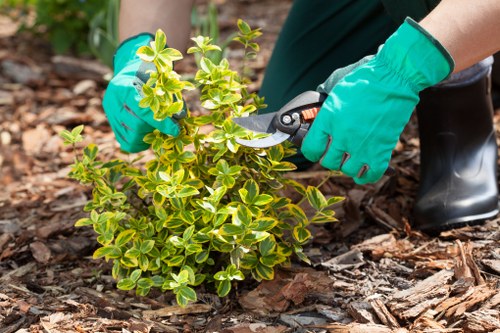 Community-minded recycling is especially relevant in Sands End, where outdoor spaces are valued and well-used. Shared courtyards, private gardens, and managed planting schemes all benefit from a cleaner system of material recovery. Donations to charities can help local groups with practical items, while recovered green waste can be returned as mulch to improve planting beds. These small but consistent steps create a bigger sustainability outcome over time, supporting a neighbourhood that is greener, tidier, and less dependent on landfill.
To maintain standards, recycling performance is reviewed regularly. We monitor how much waste is diverted, how often reusable material is identified, and whether transfer routes remain efficient. That review process helps us stay aligned with our 85% recycling target and adapt to changing borough expectations or facility requirements. It also encourages continuous improvement, whether through better segregation, improved packaging recovery, or more efficient use of local transfer stations and licensed recovery centres.
 Sustainability in Sands End is ultimately about combining practical gardening with responsible resource management. Through careful sorting, charity partnerships, low-carbon transport, and a strong commitment to waste separation, Gardeners Sands End can deliver outdoor care that respects both the immediate site and the wider urban environment. Every bucket of composted green waste, every reused item, and every efficient van journey contributes to a cleaner, lower-impact service that supports the future of the area.