Lawn Care in Sands End: Practical, Reliable, and Beautiful Results for Local Gardens
Why Lawn Care in Sands End Matters for Local Homes

Sands End is one of those London neighbourhoods where outdoor spaces often have to work hard. Many gardens here are compact, partly shaded, exposed to foot traffic, or affected by nearby buildings and changing airflow. That means lawn care in Sands End is not just about keeping grass green; it is about creating a lawn that can cope with local conditions while still looking neat, healthy, and inviting.
Whether you have a small front lawn, a private back garden, or a shared outdoor space, proper lawn care in Sands End helps improve curb appeal, supports healthier soil, and makes your garden easier to enjoy all year round. A well-maintained lawn can soften hard landscaping, provide a safe area for children and pets, and give your home a more polished finish.
Because every garden is different, effective lawn maintenance in Sands End should be tailored to the space, the soil, the level of shade, and how the lawn is used. A patchy lawn in a busy family garden needs a different approach from a decorative lawn that receives little traffic. By understanding local growing conditions, you can make better choices and get better results.
Understanding the Sands End Lawn Environment

Successful lawn care in Sands End starts with knowing what the lawn is dealing with. Urban and riverside locations can experience a mix of shade, reflective heat, limited root space, and compacted soil. Even small variations in light and drainage can affect how grass grows, how quickly it recovers, and how often it needs attention.
Many gardens in the area are bordered by fences, walls, extensions, or neighbouring buildings. These features may reduce sunlight, which can thin out grass and make moss more likely to appear. In some gardens, poor drainage causes water to sit near the surface after heavy rain. In others, dry patches can form quickly during warm spells because surrounding structures absorb and reflect heat.
That is why local lawn maintenance is best approached with a balance of observation, routine, and seasonal care. Instead of applying generic solutions, it is smarter to monitor the lawn closely and adjust mowing height, watering, aeration, feeding, and repair work to suit the conditions in Sands End.
Core Lawn Care in Sands End: What a Healthy Lawn Needs
A strong lawn relies on a few essential elements. If you get these right, you will usually see better density, stronger colour, and fewer recurring problems. The foundations of lawn care in Sands End include mowing, watering, feeding, aeration, weed control, and seasonal maintenance.
Key lawn care tasks include:
- Regular mowing at the correct height
- Watering deeply but not too frequently
- Applying seasonal fertiliser when needed
- Removing moss and thatch build-up
- Aerating compacted soil
- Overseeding bare or thinning areas
- Managing weeds before they spread
Each of these tasks supports the grass in a different way. Mowing encourages lateral growth, feeding strengthens roots and colour, and aeration improves airflow and drainage. When combined, they create a lawn that is better equipped to handle the changing conditions often seen in Sands End.
Why Routine Matters
In lawn care, consistency makes a huge difference. A lawn that is looked after little and often tends to respond better than one that is treated only when it becomes visibly damaged. Regular maintenance prevents small issues from becoming major ones and helps the lawn stay attractive throughout the year.
Mowing Techniques That Improve Lawn Health

Mowing is one of the simplest parts of lawn care in Sands End, yet it is also one of the most important. Cutting grass the wrong way can stress the lawn, encourage weeds, or make it look uneven. Proper mowing practices support healthy growth and keep the surface tidy.
The ideal mowing height depends on grass type, season, sunlight, and usage. In shaded areas, for example, it is often better to keep the grass slightly longer so it can absorb more light. Cutting too short can weaken the lawn and expose the soil. In busy family gardens, a slightly higher cut may also help the grass recover from regular use.
Useful mowing tips for Sands End lawns:
- Never remove more than one-third of the grass height at once
- Keep mower blades sharp for a clean cut
- Vary mowing direction to reduce ruts and soil compaction
- Avoid mowing when the grass is wet
- Leave grass slightly longer during hot or dry periods
Good mowing habits can transform the appearance of a lawn quickly, but they also help the grass become stronger over time. A well-maintained mowing routine is one of the most reliable ways to improve lawn care in Sands End.
Watering Strategies for Sands End Gardens

Watering is another major part of effective lawn care in Sands End. Because local gardens can be exposed to both dry spells and drainage challenges, the aim is to water in a way that supports deep roots without creating surface saturation. Light, frequent watering often leads to shallow rooting, while deeper watering encourages the grass to search further down for moisture.
The best time to water is usually early in the morning, when evaporation is lower and the lawn can absorb moisture before the day heats up. Evening watering can sometimes leave grass damp for longer, which may encourage fungal problems in some conditions. If a garden receives a lot of shade, the lawn may retain moisture longer, so watering should be reduced accordingly.
Signs your lawn may need water:
- Grass blades fold or curl instead of standing upright
- The lawn looks dull grey-green rather than vibrant
- Footprints remain visible after walking across it
- Dry, brittle patches appear in sunny areas
Balancing Drainage and Moisture
Some Sands End lawns need more help with drainage than with watering. If water pools after rainfall, aeration and soil improvement may be more effective than simply applying more moisture. Matching watering habits to the condition of the lawn is a key step in maintaining a healthy and resilient garden surface.
Feeding and Soil Improvement for Stronger Growth
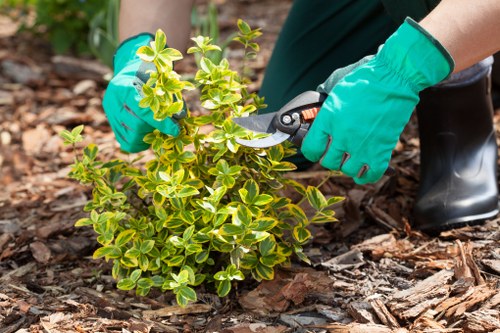
Healthy grass needs nutrients, and feeding is a central part of long-term lawn care in Sands End. Fertiliser supports growth, colour, and root strength, but it works best when used at the right time and in the right amount. Overfeeding can produce weak, rapid growth, while underfeeding can leave the lawn pale and thin.
Soil quality also matters. Some lawns in Sands End may suffer from compaction, low organic matter, or uneven pH levels. Improving the soil helps grass take up water and nutrients more effectively. This may involve topdressing, adding compost, or using a specialist lawn feed designed for the season.
Seasonal feeding approach:
- Spring: encourage recovery and fresh growth
- Summer: support colour and stress tolerance
- Autumn: strengthen roots before colder weather
- Winter: avoid unnecessary growth and reduce pressure on the lawn
Soil improvement is often overlooked, but it can make a major difference in the long run. A lawn is only as good as the ground it grows in, so building better soil structure is one of the smartest investments you can make.
Aeration, Scarification, and Thatch Control
Compact soil and thatch are common issues in busy or shaded gardens, making aeration and scarification important parts of lawn care in Sands End. Aeration creates small openings in the soil, allowing air, water, and nutrients to move more freely into the root zone. Scarification removes moss, dead grass, and built-up thatch that can block healthy growth.
Thatch is a layer of dead and living plant material that accumulates between the grass and the soil. A little thatch is normal, but too much can prevent water from reaching the roots and create a soft, spongy surface. In damp or shaded gardens, thatch may build up more quickly, making regular checks especially important.
When to consider aeration or scarification:
- The lawn feels hard or compacted underfoot
- Water runs off the surface instead of soaking in
- Moss is spreading through shaded areas
- The turf looks thin, tired, or uneven
- Grass struggles to recover after mowing or use
How These Treatments Help
Aeration and scarification are not just cosmetic treatments. They create better growing conditions for the grass and reduce the chances of recurring problems. For many lawns in Sands End, these services can be the difference between a lawn that merely survives and one that truly thrives.
Weed and Moss Management in Sands End
Weeds and moss are among the most common challenges in lawn care in Sands End. Weeds compete with grass for water and nutrients, while moss often appears where conditions are damp, shaded, compacted, or low in nutrients. If left untreated, both can weaken the lawn and spread quickly.
Effective weed control begins with prevention. A dense, healthy lawn naturally resists weeds better than a thin one. Keeping the turf strong through mowing, feeding, and overseeding reduces the space available for weed seeds to settle. If weeds do appear, timely removal is usually easier than waiting until they become widespread.
Common moss causes include:
- Persistent shade
- Poor drainage
- Compacted soil
- Low fertility
- Excessive thatch
Moss control works best when combined with fixing the underlying issue. For example, if shade is the problem, pruning nearby plants or adjusting the garden layout may help. If drainage is the issue, aeration and soil improvement may be needed. Long-term lawn care is always more effective than short-term fixes.
Overseeding and Repairing Thin Areas
Many lawns in Sands End have small bare patches, worn footpaths, or thinned sections caused by pets, children, shade, or seasonal stress. Overseeding is a practical way to restore density and improve the appearance of the lawn. It involves spreading new grass seed over existing turf to fill gaps and strengthen the sward.
Before overseeding, it helps to rake out dead material, loosen the soil surface, and ensure the area has enough moisture. Choosing the right seed blend matters too. Some mixes are better for shade, while others are more durable for high-traffic gardens. The best choice depends on how the lawn is used and what conditions it faces.
Benefits of overseeding include:
- Improved lawn thickness
- Better resistance to weeds
- Enhanced colour and texture
- Faster recovery from wear and tear
Small Repairs Make a Big Difference
Even minor patch repairs can dramatically improve the overall look of the garden. A few thin areas might not seem serious at first, but they often become the starting point for larger problems. Prompt repair is one of the smartest steps in ongoing lawn care in Sands End.
Seasonal Lawn Care in Sands End
Different seasons bring different lawn challenges, so an effective maintenance plan must change throughout the year. Seasonal lawn care in Sands End helps the grass recover from winter, cope with summer stress, and prepare for colder weather.
Spring: Focus on clearing debris, mowing carefully, feeding the lawn, and repairing damage from winter. This is often the best time to begin overseeding and addressing moss or bare spots.
Summer: Raise mowing height slightly, water wisely, and avoid stressing the grass during dry or hot periods. Keep an eye on compacted soil and signs of drought.
Autumn: Use this season to strengthen roots, aerate if needed, and apply an autumn feed. Autumn is ideal for repair work because the soil is often warm and moisture levels improve.
Winter: Reduce pressure on the lawn, avoid mowing unless necessary, and prevent unnecessary traffic on frozen or waterlogged ground. Winter is also a useful time to plan improvements for the coming year.
Choosing the Right Lawn Care Approach for Your Garden
Not every lawn in Sands End needs the same treatment. A small ornamental lawn may only require regular mowing and seasonal feeding, while a shaded family garden might need aeration, moss treatment, and overseeding. Choosing the right lawn care plan starts with assessing the lawn honestly and understanding its priorities.
Questions to ask about your lawn:
- How much sunlight does it receive each day?
- Is the soil compacted, dry, or waterlogged?
- How much foot traffic does it get?
- Are weeds or moss becoming a regular issue?
- Does it need cosmetic improvement, or deeper renovation?
Answering these questions helps you focus on the most effective treatments. In many cases, the best results come from a combination of small, regular actions rather than one large intervention. That is especially true for lawn care in Sands End, where local garden conditions can vary quite a bit from one property to the next.
Benefits of Professional Lawn Care in Sands End
While many homeowners enjoy looking after their own gardens, professional lawn care in Sands End can be extremely valuable. A skilled lawn care service can spot early signs of disease, diagnose soil issues, recommend the right treatments, and save you time. This is especially useful if your lawn has persistent problems or if you want to improve its condition efficiently.
Professionals can also help with tasks that require specialist tools or experience, such as scarification, aeration, reseeding, or applying tailored treatments. In a location like Sands End, where space can be limited and lawns may be exposed to unique urban challenges, expert attention can produce more consistent results.
Professional help may be useful if:
- The lawn is thin, patchy, or heavily mossed
- Drainage problems keep returning
- Weeds are spreading quickly
- You want a better-looking lawn without trial and error
- You need a seasonal maintenance plan that fits your garden
If you want to improve your outdoor space without the hassle, contact us today to discuss tailored lawn care in Sands End. Whether your aim is repair, maintenance, or a complete refresh, the right service can make a noticeable difference.
Practical Tips to Keep Your Lawn Looking Its Best
Even outside of scheduled maintenance, there are simple habits that can support strong lawn health. These everyday actions can help your lawn stay attractive and reduce the need for more intensive restoration later on.
Helpful day-to-day lawn care habits:
- Remove leaves and debris regularly
- Avoid repeated walking on the same areas
- Lift mower blades higher during stress periods
- Watch for early signs of pests or disease
- Edge the lawn for a neat, finished appearance
It also helps to think of the lawn as part of the whole garden rather than an isolated feature. Trees, borders, paving, and drainage all influence how the grass behaves. When all parts of the garden work together, the lawn becomes easier to maintain and more enjoyable to use.
Creating a Long-Term Plan
A long-term approach gives the best value. Instead of reacting only when problems become obvious, keep a record of how the lawn changes through the seasons. This makes it easier to predict when feeding, aeration, reseeding, or moss control might be needed.
Why Local Knowledge Makes a Difference
Local knowledge is a major advantage in lawn care in Sands End. A lawn care provider familiar with the area understands the impact of shade, weather patterns, nearby structures, and common soil issues. That familiarity can lead to better recommendations and more effective treatment choices.
For homeowners, local insight also means realistic expectations. Not every lawn can look perfect overnight, and some gardens will always need more attention than others. The key is to work with the conditions you have, improve what you can, and maintain the lawn in a way that suits the space.
Book your service now if you are ready to improve your garden with dependable lawn care in Sands End. A healthy, tidy lawn can transform the way your outdoor space looks and feels, making it more welcoming in every season.
Frequently Asked Lawn Care Questions
How often should I mow my lawn in Sands End?
This depends on the season and growth rate, but during active growing periods, weekly mowing is often enough. In slower months, less frequent mowing may be needed. The key is to avoid removing too much at once.
What is the best way to deal with moss?
Moss is best managed by correcting the conditions that allow it to spread. That may involve aeration, improved drainage, reduced shade, or better feeding. Killing moss alone will not solve the underlying issue.
Can a patchy lawn recover?
Yes, many patchy lawns recover well with overseeding, feeding, and regular maintenance. The earlier you address thinning, the better the outcome usually is.
Is professional lawn care worth it?
For many homeowners, yes. Professional care can save time and help you avoid costly mistakes, especially if your lawn has structural issues, poor drainage, or recurring moss and weed problems.
With the right approach, lawn care in Sands End can deliver lasting improvements in colour, texture, and overall garden appearance. A well-maintained lawn makes daily life more pleasant and adds real value to the outdoor space.
Final Thoughts on Lawn Care in Sands End
Lawn care in Sands End is about more than keeping grass short and green. It is about creating a lawn that suits local conditions, supports healthy growth, and stays attractive throughout the year. By focusing on mowing, watering, feeding, aeration, weed control, and seasonal upkeep, you can build a lawn that looks better and performs better.
Whether your garden needs routine maintenance or more targeted repairs, the right plan will always depend on the space itself. A thoughtful approach delivers the best results, especially in urban gardens where shade, compaction, and moisture imbalance are common. If you want a lawn that feels healthier, looks smarter, and is easier to enjoy, now is the ideal time to take action.
Contact us today to arrange tailored lawn care in Sands End and take the first step toward a greener, more resilient garden.