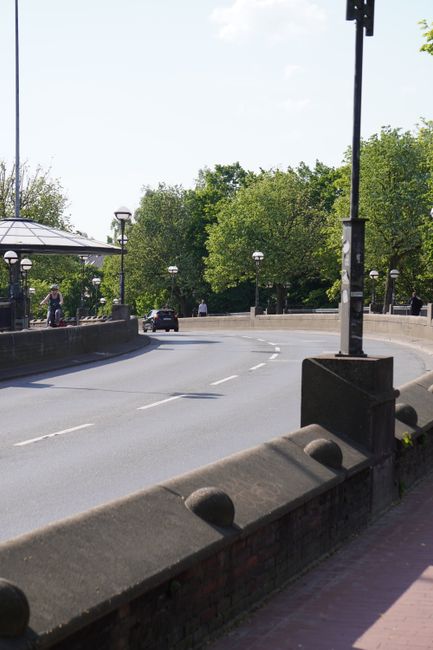
Wandsworth Bridge Road gardeners access and parking tips
If you are arranging work on or near Wandsworth Bridge Road, the little logistics details matter more than people often expect. A good gardening visit can unravel fast if the van cannot stop safely, the crew cannot carry kit through a tight entrance, or a parking permit problem turns a simple hedge trim into a headache. This guide to Wandsworth Bridge Road gardeners access and parking tips is designed to help you plan the visit properly, reduce delays, and avoid those awkward little surprises that eat up time and patience.
Whether you are booking a one-off tidy-up, regular garden maintenance, or a bigger project that needs more tools and more hands, the same basics apply: think about access, think about parking, and think about how the team will actually work once they arrive. It sounds obvious, but in London that is half the battle, really.
Below, you will find a practical breakdown of how access usually works, what homeowners and tenants can do before the appointment, and the small parking decisions that make a big difference on a busy road. A little planning goes a long way. And yes, it can save everyone from that slightly awkward moment when a van circles the block for the third time.
Why Wandsworth Bridge Road gardeners access and parking tips Matters
Access and parking are not just admin details. They affect how quickly a job starts, how much equipment can be brought in, how safely the team can work, and whether the appointment stays on schedule. On roads like Wandsworth Bridge Road, where traffic, narrow stopping options, loading restrictions, and neighbour access can all come into play, a well-prepared visit is usually a smoother visit.
For gardening work, poor access can be more than a nuisance. It can mean repeated trips with tools, longer labour time, or the need to adjust the job on the spot. A simple hedge trim might need ladders, cutting equipment, waste bags, and a safe place to unload. A lawn project might be straightforward in the garden itself, but the arrival and departure phase still matters. Waste has to move out, tools have to move in, and nobody wants a van parked in the worst possible spot while everyone is trying to work around it.
There is also the customer experience side. Good planning shows up in the small moments: the team arrives ready, the gate is open, the route through the property is clear, and there is no wasted time hunting for the nearest legal place to stop. It feels calmer. Less rushed. More professional. To be fair, that calm is often what people notice most.
Expert summary: The best access and parking plan is the one that removes guesswork before the crew arrives. Clear instructions, a realistic stopping point, and a quick check of gate width or entrance constraints can prevent most day-of problems.
How Wandsworth Bridge Road gardeners access and parking tips Works
Most gardening visits follow a fairly simple pattern: the team parks as close as legally and safely possible, unloads tools, walks equipment to the work area, completes the job, and removes waste or packaging at the end. On a busy London road, though, each part of that process needs a bit of thought.
First, the customer identifies the likely access route. That can mean a front gate, side return, rear passage, shared driveway, communal entrance, or in some cases a basement or courtyard route. Next comes parking. The crew may need a short stop for unloading, a nearby legal bay, or in some cases a pre-arranged arrangement with the property owner where space allows. The exact setup depends on the street layout and the property itself.
It helps to understand the difference between three things:
- Access - how the team physically gets tools, materials, and waste into and out of the garden.
- Stopping space - a place to pull up briefly without creating a hazard.
- Parking - where the vehicle can remain while the work is underway.
People often use those terms interchangeably, but they are not the same. A van can sometimes stop long enough to unload even if it cannot stay there all day. That distinction matters a lot on a road where spaces are limited and other traffic is moving along steadily.
If the job is more involved, access planning becomes part of the service setup. That is especially true for broader projects booked through gardening services, or for visits that involve heavier kit or material movement. The point is not to overcomplicate things. It is simply to match the practical reality of the property to the job booked.
Key Benefits and Practical Advantages
Good access and parking planning is one of those background tasks that makes everything else easier. You do not always notice it when it goes right. But you definitely notice it when it goes wrong.
Here are the biggest advantages:
- Less wasted time - the crew spends more time working and less time manoeuvring or searching for a place to stop.
- Safer unloading - tools, ladders, and bags of green waste are carried in a controlled way rather than rushed from a distant parking spot.
- Smoother communication - the customer and gardener know what to expect, which avoids confusion at the door.
- Better job planning - if access is tight, the team can arrive with the right equipment and sequence of work.
- Fewer neighbour issues - thoughtful parking reduces blockages, complaints, and accidental obstruction.
For regular maintenance clients, the benefit is even bigger. Once the route in and out is understood, the visit becomes almost routine. That means less disruption to your day, fewer delays, and a better chance of keeping the garden on a consistent schedule. A weekly lawn cut or seasonal tidy-up should feel like a useful service, not a small logistical event.
And for larger jobs, access planning can save money indirectly. If a team can load and unload efficiently, the whole project is less likely to drift. That does not mean every job is cheaper, of course, but efficiency usually helps everyone.
Who This Is For and When It Makes Sense
This guide is useful for pretty much anyone booking gardening work near Wandsworth Bridge Road, but some people will find it especially valuable.
- Homeowners with front gardens or rear access who want a clean, tidy visit without street disruption.
- Tenants and landlords arranging maintenance where parking permissions may be unclear.
- Residents in flats, maisonettes, or shared buildings where entry routes can be tight and communal.
- People booking larger jobs such as hedge work, landscaping, fencing, or tree-related tasks.
- Anyone in a controlled parking area who wants to avoid unnecessary friction with neighbours or local restrictions.
It also matters if your garden has a tricky layout. Maybe the gate is narrow. Maybe there is a long side passage. Maybe the only route passes a shed, a bike store, or a dog run that needs to stay undisturbed. In those cases, access planning is not optional; it is the difference between a tidy job and a messy one.
Truth be told, if you have ever watched a crew trying to thread bags of hedge cuttings through a cramped path while a car needs to leave the driveway, you already know why this matters.
Step-by-Step Guidance
Below is a simple way to prepare for a gardening visit. It is not fancy. It just works.
- Identify where the team can safely stop
Look at the road outside your property and think practically. Is there space for a short unloading stop? Is there a bay nearby? Is the entrance on a bend, near a crossing, or blocked by regular traffic flow? If the answer is "not really", say so early. - Measure or assess the access route
Check gate width, side return clearance, step heights, and any awkward corners. A quick visual check can prevent a lot of guesswork. If you use a side passage for bins or bikes, clear it before the visit. - Tell the team about restrictions in advance
Share anything that might affect arrival: resident-only parking, timed bays, permit expectations, delivery congestion, lock codes, concierge rules, or a strict no-idling preference from neighbours. The more the crew knows, the smoother it goes. - Leave enough space inside the property
Open gates if appropriate, move cars if necessary, and make room for tools and waste bags. If the garden route is short but cluttered, that is still a problem. The gardener is not a magician, despite what some schedules seem to assume. - Plan the waste exit
Where will cuttings, branches, and debris go once they are bagged? If the access route is awkward, agree a clear loading spot or wheel-out route before the work starts. - Confirm the timing
Morning traffic, school runs, and midday congestion can all affect the best arrival window. A well-timed slot makes a surprising difference, especially on roads with frequent movement. - Do a quick final walk-through
Before the gardeners arrive, check for trip hazards, unlocked side gates, and anything that might block the way. A minute spent here can save ten later.
If the task includes more specialist work such as pruning, tree-related maintenance, or reshaping boundaries, it can help to review the relevant service page in advance, such as tree surgery or hedge trimming, so you have a better sense of equipment needs and access implications. Different jobs need different preparation. Simple as that.
Expert Tips for Better Results
Here are the small, practical habits that tend to make the biggest difference on busy London streets.
- Send a photo of the front and rear access points. A quick image often tells more than a long message. It helps the team judge whether tools can be carried comfortably and what kind of parking arrangement is likely.
- Think in terms of carry distance. A legal parking spot ten seconds away is very different from one that requires a long walk with heavy kit. The latter can affect how long setup takes.
- Choose a sensible arrival window. Mid-morning is sometimes easier than the school-run rush or the late-afternoon squeeze. Not always, but often enough to matter.
- Keep the gate key or code ready. This sounds obvious. It is also one of the most common reasons jobs start slowly.
- Be honest about awkward access. There is no prize for pretending the side passage is spacious when it is actually a narrow squeeze. Clear information leads to a better plan.
- Prepare for weather as well as traffic. Wet pavement, windblown debris, or an unexpectedly slippery path can change the best stopping or carrying route. A chilly Thursday morning in London can be deceptively tricky.
One useful mindset is to think like the person carrying the equipment. Where would you want to step? Where would you not want a van parked? What route keeps things efficient and safe? That shift in perspective usually uncovers the answer pretty quickly.
If your garden is part of a broader redesign, it may also help to think about landscaping or decking services early on, because these projects can change future access quite a bit. A better layout now may make every future visit easier.
Common Mistakes to Avoid
A lot of access and parking problems are predictable. The good news? They are also easy to avoid once you know what to watch for.
- Assuming there will always be space right outside - that is rarely a safe assumption on a busy road.
- Forgetting to mention parking restrictions - permit zones, time limits, and loading rules should never be guessed.
- Leaving access cluttered - bins, bikes, tools, toys, and plant pots can create unnecessary delays.
- Not checking gate width - if a wheelbarrow or ladder does not fit comfortably, the team may need to adapt the workflow.
- Booking the job without considering the size of the task - small maintenance is one thing; a full hedge reduction or clearing job is another.
- Waiting until arrival to mention constraints - last-minute surprises usually mean less efficient work.
There is also a softer mistake: treating access as the gardener's problem alone. It is shared. The best outcomes usually come from both sides being clear, practical, and just a bit organised. Not glamorous, perhaps, but very effective.
Tools, Resources and Recommendations
You do not need much to prepare well, but a few simple tools and habits can make the whole visit easier.
- Phone camera - use it to photograph access points, gate locks, narrow passages, or parking signs you want the team to see.
- Measuring tape - helpful if you are unsure whether a gate, passage, or side entrance is wide enough for regular equipment.
- Spare gate key or access code note - keep it ready, separate from the usual clutter of keys and post.
- Notepad or phone notes - jot down parking restrictions, resident instructions, or recurring access issues for future bookings.
- Clear path materials - sometimes the right tool is simply a broom, a bin bag, or a five-minute tidy-up before the team arrives.
If you are checking what kind of work may benefit from careful access planning, it can be useful to review service pages like lawn care, lawn mowing, or patio cleaning. Jobs that involve repeat visits, heavier equipment, or waste removal generally need a bit more thought at the front end. That is just practical common sense.
For the trust and admin side of things, it is also worth knowing where the company stands on safety and service standards. Pages such as health and safety policy, insurance and safety, and terms and conditions can help set expectations before the visit. When everyone knows the framework, the rest feels easier.
Law, Compliance, Standards, or Best Practice
On a topic like access and parking, the most sensible approach is to follow local rules, use good judgement, and avoid making assumptions. London roads can have a mix of resident parking controls, loading rules, yellow lines, and time-based restrictions, so it is wise to treat on-street parking as something to verify rather than guess.
Gardening teams also have practical safety responsibilities. Safe unloading, sensible manual handling, clear walkways, and respect for neighbours are part of normal professional conduct. If a job involves ladders, cutting equipment, or waste lifting, careful access planning is not just convenient; it is part of working responsibly.
From a customer point of view, the best practice is straightforward:
- provide accurate access details;
- flag restrictions early;
- avoid asking anyone to park illegally;
- allow time for unloading and loading;
- keep paths and entry points clear.
If there is ever uncertainty, it is better to discuss it before the appointment than to improvise on the day. That approach is safer, cleaner, and usually less stressful for everyone involved. Little thing, big difference.
For general business transparency, pages such as privacy policy, cookie policy, complaints procedure, and payment and security also help build confidence before work begins.
Options, Methods, or Comparison Table
Different access approaches suit different properties. Here is a simple comparison to help you think it through.
| Access / parking method | Best for | Pros | Watch-outs |
|---|---|---|---|
| Short unload stop nearby | Quick maintenance visits and smaller tools | Fast setup, easy turnaround | May not suit large jobs or heavy waste |
| Pre-planned legal parking bay | Longer appointments with repeat trips to the van | Stable, predictable, usually less disruption | May involve a longer carry distance |
| Driveway or private space | Properties with off-street parking | Very efficient and flexible | Needs enough room for opening doors and unloading |
| Rear or side access only | Terraced homes and compact gardens | Keeps front of property tidy | Gate width and passage clearance become critical |
| Shared access in flats or courtyards | Communal properties | Useful when space is structured and agreed | Requires extra communication with residents or managers |
In practice, the best method is the one that keeps the work legal, safe, and efficient without creating friction for neighbours or the household. There is no magic answer, only the most sensible one for your property.
Case Study or Real-World Example
Imagine a customer on Wandsworth Bridge Road booking a routine tidy-up after several weeks of growth. The front gate is fine, but the side passage is narrow, the road has limited stopping space, and there is a delivery bay nearby that cannot be assumed to be free. Nothing unusual, just typical London logistics.
Before the appointment, the customer sends a photo of the front entrance and a quick note about the side route. The gardener sees that the wheelbarrow will fit, but only if one large plant pot is moved and the gate is opened fully. Parking is arranged as a short legal stop for unloading, after which the van moves to a nearby place where it can stay without causing a problem.
The result? The team starts on time, gets into the garden without shuffling equipment back and forth, and finishes the job with less disruption to the household. The customer is not fielding questions mid-job. Neighbours are not inconvenienced. And the clean-up at the end is simpler because the waste route was thought through from the start.
Now imagine the same visit with no prep at all. The crew arrives, finds the gate partially blocked, spends time searching for a workable stop, and has to carry bags of cuttings farther than expected. That extra friction sounds small, but over a full day it can snowball. This is exactly why access and parking tips are worth taking seriously.
Practical Checklist
Use this quick checklist before the gardeners arrive:
- Confirm the appointment time and arrival window.
- Check where parking or a legal stop is likely to happen.
- Send photos of gates, side paths, or difficult entry points if needed.
- Remove bins, bikes, toys, tools, and clutter from access routes.
- Make sure gates, locks, and codes are ready.
- Tell the team about any permit, loading, or access restrictions.
- Move vehicles if they will block the route.
- Keep pets safely away from the working area.
- Plan where green waste will be taken from the garden.
- Leave a contact method ready in case the crew needs a quick clarification.
And one more thing: if you are unsure whether a parking arrangement will work, ask early. That is not being fussy. It is being sensible. No one enjoys a last-minute scramble, least of all the person carrying a ladder.
Get a free quote today and see how much you can save.
Conclusion
Good gardening results are not only about planting, pruning, or mowing. They also depend on the unglamorous details that let the work happen smoothly in the first place. On a road like Wandsworth Bridge Road, access and parking planning can make a genuine difference to punctuality, safety, neighbour relations, and the overall quality of the visit.
If you prepare the route, share the parking reality, and keep the access point clear, you give the gardeners the best possible start. That usually means a calmer job, a cleaner finish, and fewer delays for everyone. Simple, but powerful.
And if you want the whole thing to feel easy rather than stressful, that is exactly where a little planning earns its keep.
Frequently Asked Questions
How do I prepare for a gardener visit on Wandsworth Bridge Road?
Start by checking access routes, parking options, and any gate or path restrictions. Clear the route, share useful photos, and tell the team about any parking limitations before the appointment.
Do gardeners usually need parking right outside the property?
Not always. A nearby legal stop or parking space is often enough, depending on the size of the job. The shorter the carry distance, the easier the visit tends to be.
What if there is no parking directly outside my home?
That is common in London. The important part is finding a safe, legal alternative nearby and telling the gardeners in advance so they can plan the unloading route.
Should I move my car before the gardeners arrive?
If your car blocks access, yes. Moving it ahead of time can save time and prevent a slow start. It is one of the easiest ways to help the visit run smoothly.
Why does access matter so much for garden work?
Because tools, waste, and equipment all need to move in and out safely. Poor access can slow the job, create trip hazards, or force the crew to work less efficiently.
Can I send photos instead of explaining the access in detail?
Yes, and that is often very helpful. A few clear photos of the front gate, side path, and parking area can explain more than a long message.
What should I do about pets during the visit?
Keep pets safely away from the work area. Gates opening and closing, tools on the move, and people carrying materials can all be stressful or unsafe around animals.
Do I need to worry about neighbour access or shared spaces?
If you share a driveway, courtyard, or entrance, it is sensible to warn neighbours or building management in advance. That helps avoid awkward blocking issues and keeps things courteous.
Is it better to book garden work at a specific time of day?
Often, yes. A quieter window can make parking and access easier. Mid-morning sometimes works well, but the best time depends on local traffic, school runs, and any restrictions nearby.
What are the biggest mistakes people make with access and parking?
The most common ones are assuming there will be space outside, forgetting to mention restrictions, leaving gates or routes cluttered, and not planning where waste will go at the end of the job.
How do I know if my access is too tight for the job?
If the gate, path, or carry route is narrow, uneven, or awkward, mention it early. The team can then decide whether the job needs extra time, different equipment, or a revised plan.
Where can I learn more about the company before booking?
You can review the company's about us page and related service information to get a better sense of how work is organised and what support is available.