Emergency tree work what to know from Sands End gardeners
If a tree has split, leaned suddenly, dropped limbs, or started threatening a roof, fence, drive, or passer-by, you do not want vague advice. You want to know what counts as an emergency, what happens next, and how to make a calm decision before the weather gets worse or the damage spreads. This guide to Emergency tree work what to know from Sands End gardeners gives you the practical side of urgent tree care in plain English, with safety-first guidance, realistic expectations, and a few sensible checks you can do straight away.
Truth be told, most people only think about tree work after something has already gone wrong. That is exactly when good information matters most. Below, you will find how emergency tree work is assessed, what usually happens on site, what to ask before work begins, and how to avoid costly mistakes when time is short.
Table of Contents
- Why Emergency tree work what to know from Sands End gardeners Matters
- How Emergency tree work what to know from Sands End gardeners Works
- Key Benefits and Practical Advantages
- Who This Is For and When It Makes Sense
- Step-by-Step Guidance
- Expert Tips for Better Results
- Common Mistakes to Avoid
- Tools, Resources and Recommendations
- Law, Compliance, Standards, or Best Practice
- Options, Methods, or Comparison Table
- Case Study or Real-World Example
- Practical Checklist
- Conclusion
- Frequently Asked Questions
Why Emergency tree work what to know from Sands End gardeners Matters
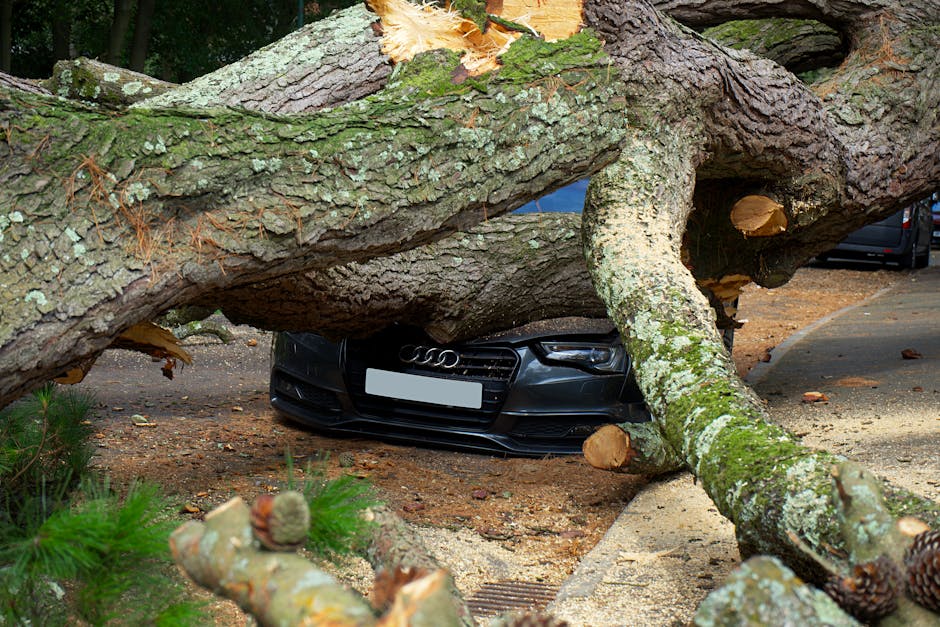
Emergency tree work is not just "tree pruning in a hurry". It is the urgent assessment and treatment of a tree, limb, stump, or surrounding hazard when waiting could make the situation worse. In practical terms, that might mean a storm-damaged branch hanging over a path, a root-heaved tree tilting into a neighbour's boundary, or a fractured stem rubbing against a building after high wind. Sometimes it is obvious. Sometimes it is messy and not at all obvious, which is where people can get caught out.
In a built-up London area, the risk is rarely limited to the tree itself. There may be parked cars, narrow access, shared fences, overhead lines, glass roofs, or busy foot traffic. Sands End and similar urban settings tend to make urgent tree issues a bit more complicated than a garden at the edge of open land. One branch in the wrong place can block access, create a fall risk, or damage nearby structures before anyone has had time to blink.
There is also a wider responsibility angle. If a dangerous tree is left unattended and it causes injury or property damage, the resulting headache can be far bigger than the original problem. That does not mean every leaning tree is an emergency. It does mean you should take sudden changes seriously and not assume it will "probably be fine until next week". Often, it will not be.
Expert summary: if a tree is actively unstable, dropping material, blocking safe access, or pressing on a structure, treat it as urgent and get a proper inspection as soon as possible. Good emergency work is about reducing danger first and worrying about the perfect finish later.
How Emergency tree work what to know from Sands End gardeners Works
The process is usually more methodical than people expect. Even when the situation feels urgent, the first job is to work out what is actually happening. A professional will typically assess the tree from the ground, look at the angle of lean, the condition of the roots, cracks in the stem, hanging limbs, and any signs that movement is ongoing. If there is any chance of the tree failing further, the work plan becomes a safety plan.
From there, the approach may involve sectioning unstable branches, reducing weight, removing broken wood, stabilising access routes, or taking down the tree in controlled stages. In some cases, full removal is the safest and quickest route. In others, a partial reduction is enough to remove the immediate risk and buy time for a fuller decision later. That distinction matters. Not every urgent call ends in complete felling, and that is a good thing.
Where the tree is near fences, patios, sheds, or garden structures, the team may need to protect the area before cutting begins. If access is tight, they may have to use smaller equipment or work in stages to avoid unnecessary disturbance. This is where related services such as tree surgery or tree lopping and removal become relevant, because the method chosen should match the risk, not just the visible damage.
You might notice that emergency tree work often starts with a conversation rather than a saw. Good practice tends to be: assess, isolate, make safe, then remove or reduce. That order saves time in the long run. A rushed cut on an unstable tree is exactly the sort of thing nobody wants on a windy afternoon, let's face it.
Key Benefits and Practical Advantages
The main benefit is obvious: reduced danger. But there are several other practical advantages that people sometimes overlook when they are focused on the immediate mess.
- Faster hazard removal: damaged limbs and unstable sections are dealt with before they worsen.
- Lower chance of secondary damage: controlled work is far less likely to harm fences, paving, decks, or neighbouring property.
- Clearer decision-making: a proper assessment helps you know whether repair, reduction, or removal is the right route.
- Less disruption: traffic paths, driveways, and gardens can often be made safe quickly.
- Better long-term tree health: where the tree is salvageable, sensible pruning or reduction can help it recover rather than forcing an unnecessary removal.
There is another benefit that sounds simple but really matters: peace of mind. A swaying limb outside a bedroom window at 2 a.m. is not just an inconvenience. It plays on your nerves. Once the danger is professionally managed, people usually feel the whole property settle down a bit. That is not technical language, but it is real.
For some households, emergency work is also the start of a wider garden tidy-up. Once a tree has been made safe, you may decide to address the surrounding area too, perhaps with garden clearance or ongoing garden maintenance. That can make future inspections easier and reduce hidden hazards, especially where overgrowth has been masking a problem for months.
Who This Is For and When It Makes Sense
Emergency tree work makes sense for anyone facing an immediate or developing tree hazard. That includes homeowners, landlords, managing agents, business owners, and anyone responsible for shared outdoor space. If a tree is on or near your property and you are the person who has to act, you do not need to wait for the situation to become dramatic before you take it seriously.
Common scenarios include:
- a tree leaning suddenly after a storm
- large branches hanging loose after high winds
- split stems or visible cracks in the trunk
- trees rubbing on roofs, gutters, walls, or conservatories
- roots lifting paving, steps, or boundary features
- storm debris blocking paths, drives, or access routes
It also makes sense if you are unsure whether the tree is actually dangerous. That uncertainty alone can justify a call. If you have to keep guessing every time the wind picks up, something needs checking. A quick assessment is often cheaper and calmer than waiting for a failure.
For shared boundaries, the situation can be a little awkward. A tree may sit partly on one property and partly affect another. If that is the case, the right first step is usually to make it safe and then sort out the paperwork or responsibility questions afterwards. In other words: stop the bleeding first. The admin can wait a moment.
Step-by-Step Guidance
If you think you may need urgent help, here is the sensible order of operations.
- Keep people away from the hazard. Close doors, avoid the area under hanging branches, and move vehicles if it is safe to do so.
- Look for active movement. Is the tree still shifting, cracking, or shedding material? If yes, treat it as more urgent.
- Take a few clear photos from a safe distance. These can help explain the issue and give context before anyone arrives.
- Check for immediate danger to buildings or access routes. Is it touching a roof? Blocking a walkway? Pressing on a fence?
- Ask for an urgent assessment. Explain what happened, when it happened, and whether anything is hanging or fallen.
- Follow the safety advice you are given. That may include staying clear until the site is made secure.
- Review the recommended action. The fix might be a reduction, sectional dismantling, removal, or temporary make-safe work.
- Arrange follow-up if needed. Some jobs need a second visit once access, weather, or permissions are clearer.
A small but useful tip: if you can hear cracking, creaking, or movement in the tree, do not stand under it trying to "just have a quick look". People do that more often than they admit. It is not worth it.
If you want to understand a provider before booking, it helps to look at the company background and service approach. The about us page gives a better feel for the team behind the work, while the insurance and safety information is useful when you are weighing up urgent work and need reassurance that the basics are being handled properly.
Expert Tips for Better Results
Emergency tree work goes more smoothly when the homeowner or site manager stays practical and communicates clearly. That sounds simple, but it makes a real difference.
- Describe the risk, not just the tree. Saying "a branch is broken" is less useful than saying "a branch is hanging over the side gate and the garden path".
- Be honest about access. Narrow side returns, locked gates, nearby vehicles, and low walls all affect how quickly the team can work.
- Ask what the first priority is. A good responder should explain whether the aim is to secure, reduce, or remove.
- Keep pets and children away. Even small debris can be hazardous, and the noise can panic animals.
- Expect some mess. Emergency work is about safety first. A neat final finish is often a second-stage concern.
Another tip, and this one is underrated: if the tree is near a fence, shed, or patio area, point that out before work starts. That helps the team plan cuts and rigging more carefully. If there is broader garden damage, linking the job with fencing, patio cleaning, or even landscaping can make the recovery phase far simpler.
And yes, it is perfectly fine to ask a seemingly basic question like, "Is this safe to leave overnight?" That is not silly. It is exactly the sort of question you should ask.
Common Mistakes to Avoid
When people are stressed, they tend to rush. Fair enough. But emergency tree jobs punish rushed decisions.
- Ignoring a sudden lean: trees rarely lean dramatically for no reason. If the lean changed quickly, treat it seriously.
- Standing too close for a better look: broken limbs can fail without much warning.
- Trying to cut unstable branches yourself: a ladder and a saw are not a plan. They are a shortcut to trouble.
- Assuming every fallen branch means the whole tree must go: sometimes only targeted work is needed.
- Waiting for better weather when the tree is already unsafe: weather can make work harder, but waiting can make the hazard worse.
- Choosing the cheapest response without checking safety: urgent tree work is one place where a bargain can become expensive very quickly.
One of the most common misunderstandings is that a tree only matters if it has already fallen. Not true. Hanging limbs, root lift, splitting stems, and sudden crown failure can be just as dangerous. Sometimes more so, because the tree is still in a half-damaged, half-unstable state. That middle state is awkward. Very awkward.
Tools, Resources and Recommendations
In emergency situations, the right tools are only part of the picture. The better question is: what helps the team work safely and what helps you make a better decision?
Useful things to have to hand include:
- clear photos of the damage
- a rough idea of when the issue started
- information about nearby structures, cables, or access restrictions
- any previous tree work notes, if you have them
- details of whether the tree is on a boundary or shared area
From the provider side, you want evidence of proper planning, safe working practices, and insurance cover appropriate to the job. The wording may be different from one company to another, but the substance should be the same: they should be able to explain how they will make the site safe and what happens if the work uncovers additional issues.
If your urgent tree issue is part of a wider garden problem, it may make sense to build a follow-up plan rather than deal with the tree in isolation. For example, if storm debris has left the space cluttered and hard to use, a broader garden clearance can help restore access. If overgrowth contributed to the problem, hedge trimming or lawn care may also be part of the recovery.
Law, Compliance, Standards, or Best Practice
Emergency tree work can touch on safety, property responsibility, and sometimes protected trees or boundary issues. Because of that, best practice matters. Exact legal duties can vary by circumstance, so it is wise to be cautious rather than assume. If a tree might be subject to a preservation order, or if work could affect neighbours, additional checks may be needed before anything beyond immediate make-safe action is carried out.
As a general rule, responsible tree work should follow a few simple principles:
- Safety first: reduce immediate danger before aiming for cosmetic perfection.
- Proportionate response: do only what the hazard requires.
- Clear communication: explain the issue, the risks, and the proposed solution plainly.
- Appropriate equipment: use access methods and tools suited to the site.
- Proper disposal: debris and timber should be managed in a tidy, lawful, and sensible way.
It is also sensible to choose providers who are open about their processes. Pages such as health and safety policy, terms and conditions, and pricing and quotes can help you understand how a company works before you commit, especially when the situation is time-sensitive and you do not want hidden surprises. That kind of clarity is worth a lot when the weather is grim and everyone is slightly on edge.
Options, Methods, or Comparison Table
Not every urgent tree issue needs the same treatment. Here is a straightforward comparison of common approaches.
| Method | Best for | Typical outcome | Notes |
|---|---|---|---|
| Make-safe visit | Immediate danger with uncertain follow-up | Hazard reduced quickly | Often used first when the priority is access and safety |
| Selective reduction | Tree is damaged but partly salvageable | Weight reduced, risk lowered | Useful where full removal may not be necessary |
| Sectional dismantling | Tree is unstable or near buildings | Controlled removal in pieces | Common in tight urban gardens |
| Full removal | Severe structural damage or high risk | Tree taken down completely | Sometimes the safest and cleanest solution |
| Follow-up restoration | Garden left disrupted after emergency work | Area made usable again | May include clearing, repair, or replanting later |
The right option depends on the tree's condition, the level of risk, and the site constraints. A tree that has split at the base is very different from one that has dropped a single limb after a storm. Same category, very different job. This is why a quick inspection matters more than guessing from the driveway.
Case Study or Real-World Example
Here is a realistic example. A homeowner notices, just after a windy evening, that a mature tree in the back garden has a large limb hanging across the side return. The branch is not fully detached, but it is cracked and brushing the fence every time the wind picks up. The gate to the rear access is partly blocked, and the family uses that path daily.
The sensible response is not to wait until morning and hope for the best. The area should be kept clear, photos taken from a safe distance, and an urgent assessment requested. On site, the priority would likely be to remove the unstable limb and check whether the remaining tree structure is still sound. If the crack suggests wider weakness, the work may shift to more substantial reduction or removal.
What matters most in that situation is the sequence: make safe, then decide. The family may also choose to tidy the access route afterwards and address any damaged boundary features. If the storm caused broader debris or the garden became difficult to use, a related service like gardening services can help reset the space once the immediate risk is gone.
That kind of response usually feels much better than doing nothing and hoping the branch behaves itself. Trees, sadly, are not big on reassurance.
Practical Checklist
Use this quick checklist if you think you have an urgent tree issue.
- Is anyone in immediate danger?
- Has the tree or a branch moved suddenly?
- Is there visible cracking, splitting, or root lift?
- Is anything hanging over a roof, fence, path, or vehicle?
- Have you kept the area clear?
- Do you have photos from a safe distance?
- Is access for a team likely to be straightforward or tight?
- Do you need a make-safe visit first rather than a full solution today?
- Have you checked whether follow-up work may be needed after the emergency?
- Have you reviewed the company's safety and insurance information before booking?
If several of those answers are concerning, you probably do need urgent help rather than a wait-and-see approach.
Conclusion
Emergency tree work is really about judgement under pressure. The best outcome is not always the biggest cut or the fastest finish. It is the outcome that makes the site safe, protects surrounding property, and gives you a clear path forward without adding new problems. That is the heart of Emergency tree work what to know from Sands End gardeners: understand the risk, act early, and choose a response that is proportionate and safe.
Whether you are facing storm damage, a sudden lean, or a branch that has failed at the worst possible time, the key is not to panic and not to improvise. Make the area safe, get a proper assessment, and let the work follow the risk. Simple advice, yes. But in a real emergency, simple is often exactly what you need.
If you are weighing up urgent tree concerns alongside wider garden repairs, it can help to review the company's approach to safety, service standards, and pricing before you decide how to proceed. A clear conversation now saves a lot of stress later, and that is never a bad thing.
Get a free quote today and see how much you can save.
Frequently Asked Questions
What counts as emergency tree work?
Emergency tree work is any urgent action needed to reduce immediate danger from a tree, branch, or root issue. That usually includes storm damage, hanging limbs, sudden leaning, split stems, or trees threatening buildings, vehicles, or safe access routes.
How do I know if a tree is dangerous enough to call someone?
If the tree has changed suddenly, is shedding large branches, is leaning more than before, or is touching a structure, it is worth treating as urgent. If you are unsure, that uncertainty itself is a good reason to get it checked.
Should I try to cut a broken branch myself?
Usually, no. Broken branches can move unexpectedly and make the situation worse. If the branch is high up, under tension, or attached to a damaged trunk, it is safer to keep clear and let trained people assess it.
Will emergency tree work always mean full removal?
No. Sometimes the safest response is a selective reduction, temporary make-safe work, or sectional dismantling of only the damaged parts. Full removal is sometimes needed, but it is not the default in every case.
How quickly should emergency tree work happen?
As quickly as possible when there is active risk. The exact response time depends on access, weather, severity, and how dangerous the tree is. A branch hanging over a busy path is more urgent than minor storm debris on the lawn.
What should I do before the team arrives?
Keep people and pets away from the area, move vehicles if it is safe, and take photos from a distance. Do not stand under unstable limbs or try to tidy the hazard yourself.
Can emergency tree work be done in bad weather?
Sometimes yes, but it depends on the conditions and the level of risk. If the weather makes the job unsafe, the first step may be to secure the area and return when it is sensible to continue.
Do I need permission before emergency tree work?
That depends on the situation. Immediate make-safe work may be handled urgently, but some trees may have additional protections or boundary considerations. It is sensible to mention any known restrictions when you first make contact.
What if the tree is on a boundary with my neighbour?
Shared trees can be awkward, but safety comes first. Make the hazard safe, then handle ownership or responsibility questions afterwards. Clear photos and notes help a lot if the issue needs to be discussed calmly later.
How much does emergency tree work cost?
Costs vary depending on urgency, access, tree size, risk level, and disposal needs. Because no two emergencies are the same, it is best to ask for a clear quote and understand what is included before work starts.
Is emergency tree work the same as tree surgery?
They overlap, but they are not identical. Tree surgery is the broader professional discipline of pruning, reducing, managing, and removing trees. Emergency tree work is the urgent response to a hazardous situation, often using tree surgery methods.
What happens after the emergency is dealt with?
After the immediate risk is reduced, you may need follow-up work such as stump removal, garden clearance, fence repair, or routine maintenance. Sometimes the site looks a bit raw for a while. That is normal. The important part is that it is safe.
If you want, it is often worth planning the next step rather than stopping at the emergency fix. A bit of follow-through now can save you a second round of stress later, and honestly, who needs that?