 020 3744 3778
Design Strategies for a Child-Centric Garden
Posted on 27/06/2025
A child-centric garden is a creative, safe, and engaging outdoor space designed to foster exploration and nurture curiosity in children. In an era where outdoor play is crucial for child development, crafting an environment that encourages activity, learning, and wonder can make a lasting impact. This comprehensive guide explores a wide range of design strategies to create the ultimate garden for kids, ensuring it's both aesthetically pleasing and practical for families.
Why Prioritize a Child-Centric Garden?
The significance of a child-focused outdoor space can't be overstated. Gardens tailored for children offer:
- Physical and Mental Development: Outdoor activities enhance agility, coordination, and cognitive abilities.
- Connection with Nature: Kids learn about plants, insects, and seasonal changes, fostering environmental stewardship.
- Family Bonding: Shared activities in the garden nurture relationships and collective happiness.
- Safe Exploration: Thoughtful design minimizes risks, making the garden a secure yet stimulating space.
Key Principles of Child-Friendly Garden Design
Creating a space that captivates and caters to children's needs involves integrating certain guiding principles:
- Safety First - Prioritize child safety through supervised zones, non-toxic plants, and secure structures.
- Interactive Features - Include elements that invite touch, movement, and participation.
- Scale & Accessibility - Design at a child's height and ensure easy access for all ages and abilities.
- Variety & Flexibility - Offer diverse stimuli - from quiet reading nooks to lively climbing frames.
- Aesthetic Harmony - Integrate playful elements without compromising on overall garden beauty.
Involving Children in the Process
Engage children in the design journey by asking for their ideas, favorite colors, or dream play features. This not only increases their excitement but also ensures the space will be truly child-centered. Let them help pick plants, paint garden furniture, or brainstorm play areas, making it a shared, memorable project.
Essential Elements for a Child-Centric Garden
When planning a garden designed for children, these key features turn a basic backyard into a wonderland of exploration:
1. Safe Play Zones
- Soft Surfaces: Use grass, mulch, sand, or rubber mats to cushion falls and make playtime safer.
- Sheltered Areas: Install gazebos, treehouses, or simple tarpaulins to provide shade from the sun.
- Fencing and Boundaries: Clearly marked borders with safe, attractive fences help keep children within sight and away from hazards.
2. Interactive and Sensory Features
- Water Play: Add splash pools, fountains, or shallow streams for cooling off in summer and stimulating the senses.
- Sand Pits: Encourage digging, building, and imaginative play with easy-to-cover sandboxes.
- Edible Gardens: Create raised beds with strawberries, cherry tomatoes, and herbs--perfect for little hands to sow, nurture, and harvest.
- Touch and Sound: Introduce wind chimes, textured stepping stones, or "sensory paths" laden with pebbles, bark, and smooth wood.
3. Adventure Zones & Climbing Structures
Appeal to kids' love of adventure and movement:
- Install climbing frames and playhouses crafted from natural wood for durability and harmony with the landscape.
- Include balance beams, natural logs, or even a miniature obstacle course for added fun.
- Low, sturdy tree swings and hammocks for relaxation and gentle movement.
4. Creative Corners
- Set up an outdoor art station with easels, stone painting activities, or blackboards for drawing and self-expression.
- Designate a "messy play" area for mud kitchens or DIY building blocks, so children can get creative without worry.
5. Secret Spaces & Hideaways
Give children their own little worlds:
- Build a living willow den or create a sunflower house by planting tall flowers in a circle.
- Use foliage, trellises, or bamboo screens to section off quiet reading nooks or "secret" hideouts.
6. Nature-Inspired Exploration
- Wildflower meadows and butterfly gardens attract wildlife and teach kids about insects and pollinators.
- Mini-ponds (safely fenced) can introduce children to aquatic life like frogs and tadpoles.
- Logs, rocks, and bug hotels offer habitats for insects and open endless discovery opportunities.
Best Plant Choices for a Kid-Friendly Landscape
Choosing the right vegetation is vital for a child-oriented outdoor space. Plants should be non-toxic, resilient, and engaging:
- Edibles: Sunflowers, cherry tomatoes, peas, strawberries, carrots.
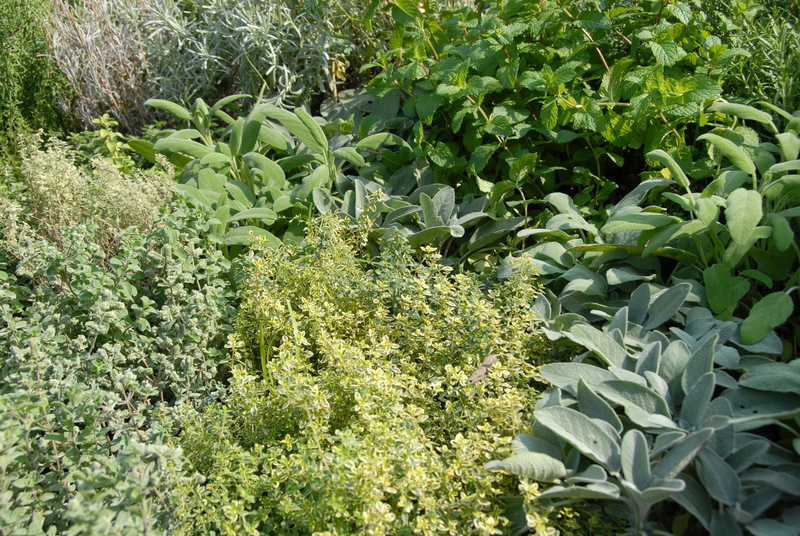
- Textural Plants: Lamb's ear, ornamental grasses, lavender.
- Fragrant Flowers: Mint, rosemary, scented geraniums.
- Colorful Perennials: Marigolds, nasturtiums, violas.
Plants to Avoid
- Oleander
- Foxglove
- Yew
- Castor bean
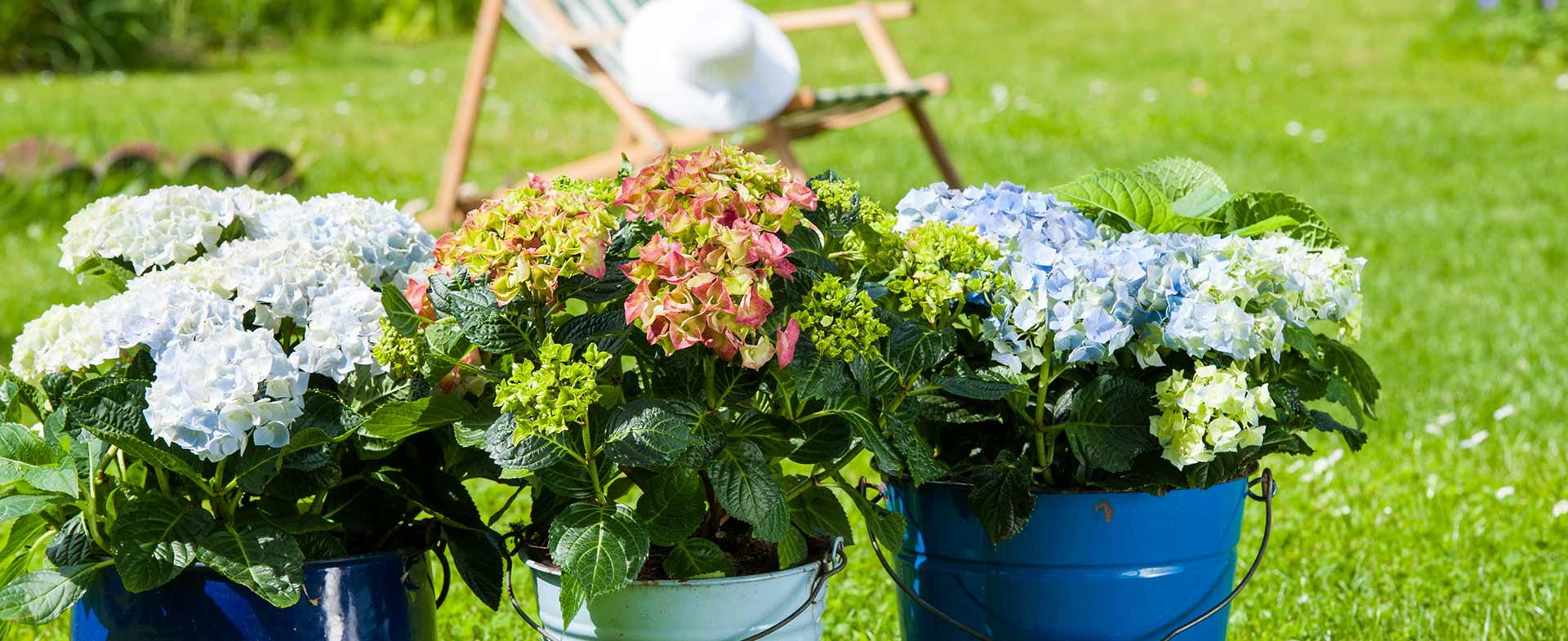
- Hydrangea
- Plants with thorns (e.g., roses, holly) in high-traffic play areas
Always check plant toxicity before introducing new varieties.
Incorporating Learning Opportunities
A well-designed garden for children serves as a living classroom. Consider these ideas:
- Labels and Signs: Use illustrated markers to name plants and describe their characteristics.
- Garden Journals: Encourage kids to record observations and sketch garden changes through the seasons.
- Composting Stations: Teach sustainability and soil science by involving children in recycling waste.
- Indoor-Outdoor Continuity: Integrate windowsill seed starting or terrariums that connect indoors and out.
Wildlife Watching
- Install bird feeders, bat boxes, and bee hotels to attract and observe local wildlife.
- Document sightings to promote scientific curiosity and nature appreciation.
Safety Considerations in Child-Centric Gardens
Maintaining a secure environment is foundational for every kid-friendly garden design strategy:
- Paths & Surfaces: Keep pathways level, slip-resistant, and clear of trip hazards.
- Fencing: Child-proof gates and fences to deter escapes and intruders.
- Water Safety: Fence off or securely cover ponds and make sure water features are shallow.
- Supervision: Design sightlines so supervising adults can easily watch children at play.
- Tools & Chemicals: Store all garden tools, fertilizers, and pesticides securely out of reach.
Year-Round Engagement: Seasonal Adjustments
Dynamic gardens thrive through all seasons. Adapt your child-centric space to maximize fun:
- Spring: Plant bulbs, start a veggie patch, install a rain gauge.
- Summer: Water play, shaded picnic zones, outdoor movie nights.
- Autumn: Leaf piles for jumping, pumpkin growing, bird feeders.
- Winter: Evergreen interest, feeders for winter wildlife, snow-friendly play spaces.
Garden Design Tips for Small Spaces
You don't need a vast yard to implement child-oriented garden design:
- Vertical Gardening: Use trellises or wall-mounted planters to add greenery and interest at child height.
- Multi-Functional Elements: Benches with storage, sand play areas that convert to seating, or moveable features maximize usability.
- Pot Gardening: Container gardens with sensory herbs or mini vegetables can thrive on patios and balconies.
Maintaining a Child-Focused Garden
Keep your kid-friendly garden in top shape with regular:
- Checks for damage or hazards
- Cleanups of leaves and debris to prevent slips
- Reviews of plant health and replacement of dangerous or ailing plants
- Seasonal updates to play and learning features
Encouraging Responsibility and Independence
Empower kids by giving them a sense of ownership over their children's garden space:
- Assign age-appropriate gardening tasks such as watering, weeding, or harvesting.
- Let children manage their own beds or pots.
- Reward their efforts through harvest days, flower shows or special garden parties.
Sustainability in a Child-Centric Garden
- Opt for native plants and pollinator-friendly flowers.
- Use reclaimed or upcycled materials for play equipment and garden furniture.
- Install rain barrels and composters to teach water saving and recycling.
- Consider permaculture-inspired layouts for long-term resilience.
Conclusion: Cultivating Joy, Learning, and Connection
A child-centric garden is so much more than a backyard with a swing set. When thoughtful design strategies are combined with input from children, you create a sanctuary for exploration, growth, and magical memories. No matter your space or budget, even small, child-friendly garden features can spark imagination and encourage a lifelong love of nature. With ongoing care, seasonal adaptation, and a dash of creativity, your garden can remain a vibrant, safe, and cherished space for the whole family.
Happy gardening!
Frequently Asked Questions about Child-Centric Garden Design
- What is the ideal garden size for children? Any size works, as design is more important than scale. Even small gardens for kids can be magical!
- Are there any plants I should definitely avoid? Yes. Avoid toxic or spiny species, and always verify child safety before planting.
- How do I encourage wildlife safely? Use feeders, water dishes, and native plants, but fence off ponds and supervise closely.
- What maintenance is involved? Regular cleanup, safety checks, and plant health reviews are key. Get children involved for learning fun!
- Can a child-centered garden still be stylish? Absolutely! Choose natural, harmonious materials and blend play items with the overall design.
Embrace these design strategies for a child-centric garden to create a safe, stimulating, and wonderful outdoor haven for your family.
Latest Posts
Design a Calming Zen Garden for Peaceful Outdoor Moments
9 Ground Cover Plants to Turn Your UK Garden into a Green Oasis
Creating the Perfect Environment for Orchids
Container Gardening: A Creative Way to Grow Plants Anywhere
Against the Wind: Effective Strategies for Garden Protection