 020 3744 3778
Container Gardening: A Creative Way to Grow Plants Anywhere
Posted on 22/09/2025
Container Gardening: A Creative Way to Grow Plants Anywhere
Have you ever wished you could grow your own vegetables, herbs, or flowers, but thought you lacked the space? Welcome to the world of container gardening! Whether you live in a small apartment, have a tiny balcony, or want to fill an empty corner in your backyard, container gardening offers a versatile and imaginative solution. In this comprehensive article, you'll discover how anybody--regardless of space or skill level--can enjoy the joys of growing plants in containers. Read on to learn essential tips, best plants, creative ideas, and the foundational knowledge you need to start your own thriving container garden.
What is Container Gardening?
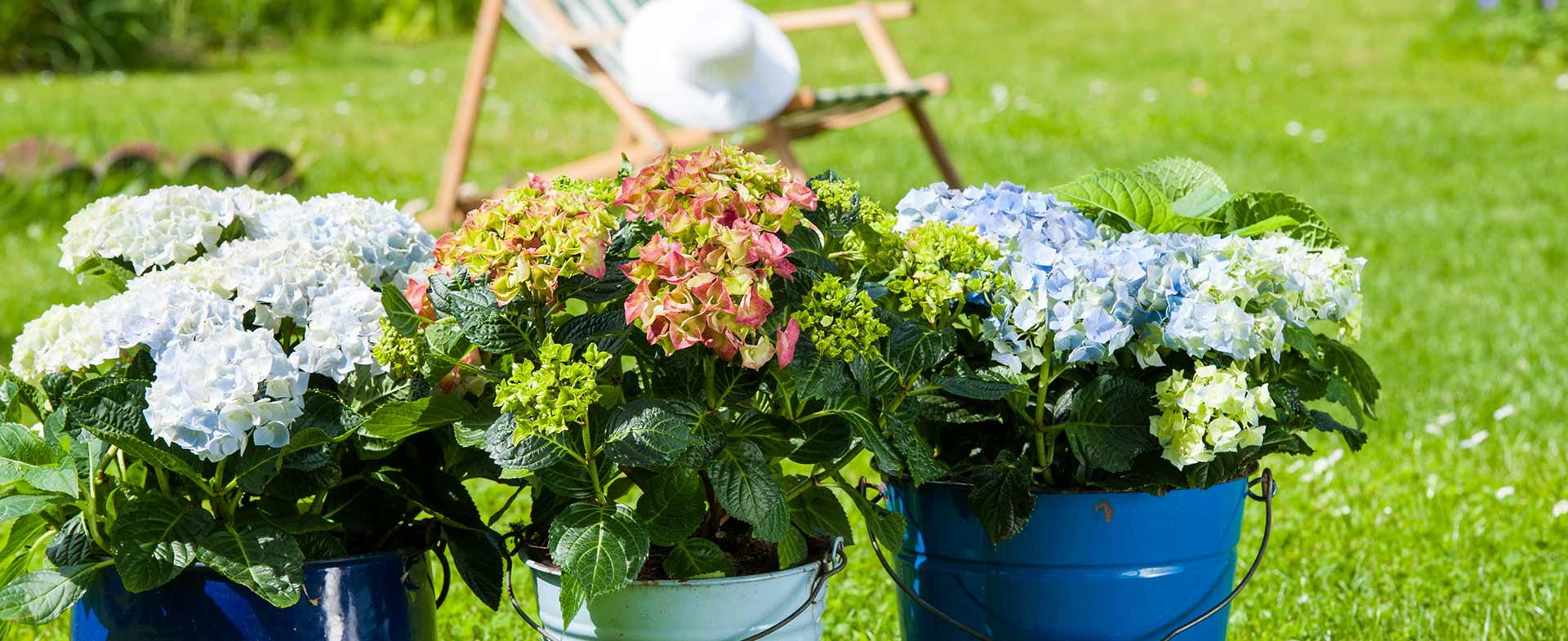
Container gardening is the practice of growing plants in containers instead of planting them in the ground. These containers can be anything from flower pots and window boxes to repurposed household items like buckets, baskets, and even shoes! The possibilities are virtually endless.
What truly sets container gardening apart is its flexibility. You can place containers anywhere--on rooftops, balconies, patios, front porches, and even indoors--making it the ultimate solution for urban gardeners and anyone working with limited outdoor space.
Benefits of Container Gardening
- Space Saving: Perfect for small homes, apartments, and urban environments.
- Mobility: Containers can be moved around for optimal sunlight or protection from extreme weather.
- Pest and Disease Control: Easier to manage soil quality and spot problematic insects.
- Creative Variety: Experiment with colors, shapes, and heights for stunning visual displays.
- Accessibility: Great for children, seniors, and individuals with mobility issues.
- Water Efficiency: More controlled watering, reducing waste and runoff.
Choosing the Right Containers
The type of container you select can directly impact your plant's health and growth. Here are a few factors to consider when choosing the best containers for gardening:
- Size: Larger pots allow for bigger plants and better root development. Make sure your container is deep and wide enough for your chosen plants.
- Drainage: Ensure that containers have adequate drainage holes. This prevents waterlogging and root rot.
- Material:
- Terracotta: Attractive and porous, great for many plants but dries out faster.
- Plastic: Lightweight, affordable, retains moisture well, and available in many styles.
- Ceramic or Glazed: Beautiful but heavy; be cautious if you need to move them often.
- Metal: Modern look, but can heat up quickly in the sun.
- Wood: Natural look and good insulation, but may eventually rot.
- Repurposed Containers: Get creative! Use old boots, teapots, storage bins, or baskets for a unique container garden.
Tips for Container Selection
- Match the container size to plant requirements. Deep-rooted vegetables need deeper containers than shallow-rooted flowers or herbs.
- Consider weight if you need to move containers, especially if gardening on a balcony.
- Always clean and sterilize reused containers to prevent pests and disease.
Picking the Best Soil for Container Plants
Soil quality is crucial for successful container gardens. Ordinary garden soil is too heavy and can lead to poor drainage. Instead, use a potting mix specifically designed for containers. These mixes are often made of peat moss, perlite, vermiculite, and compost, providing the perfect balance of moisture retention, nutrition, and drainage.
Improving Soil Health
- Mix in compost or worm castings for a nutrient boost.
- Add slow-release organic fertilizers to support plant growth throughout the season.
- Refresh soil every year, since nutrients are depleted faster in containers.
Ideal Plants for Container Gardening
Many plants thrive in containers, from vibrant flowers to useful edibles. When choosing plants, consider sun exposure, container size, and your climate. Here are some top recommendations:
Best Edibles for Container Gardens
- Herbs: Basil, parsley, cilantro, mint, rosemary, thyme, chives, and oregano grow very well in pots.
- Leafy Greens: Lettuce, kale, spinach, arugula, Swiss chard, and microgreens.
- Vegetables: Tomatoes (choose determinate or bush varieties), peppers, beans, radishes, carrots, beets, and eggplant.
- Fruit: Strawberries, dwarf blueberries, and even small citrus trees thrive in larger tubs.
- Root crops: Potatoes, garlic, and onions can yield good crops with deep containers.
Flowers and Ornamentals for Pots
- Petunias, pansies, geraniums, and begonias for colorful displays.
- Succulents and cacti for low-maintenance beauty.
- Ferns and hostas for shady spots.
- Grasses and ornamental bamboo for height and texture.
Combining Plants Creatively
Try mixing different plant types for a dynamic container arrangement. Use the "Thriller, Filler, Spiller" method:
- Thriller: Tall, eye-catching plants for the center or back
- Filler: Bushy, mounded plants to fill in gaps
- Spiller: Trailing plants that drape over the sides
This technique adds depth and interest to any container garden and allows for maximum visual appeal in a small space.
Planting and Caring for Your Container Garden
Let's walk through the essential steps and best practices for successful container gardening:
1. Choose the Right Place
- Light: Most edibles and flowers require at least 6 hours of sunlight per day. Check the specific needs for each plant.
- Accessibility: Place containers where they're easy to water, harvest from, and enjoy visually.
2. Preparing Your Containers
- Check drainage holes and cover the bottom with broken pottery or stones (optional) to prevent soil loss.
- Fill with potting mix leaving an inch or two at the top for watering.
- Bury seeds or plant seedlings according to package instructions, being mindful of spacing requirements.
3. Watering Techniques
- Check soil moisture daily, especially during hot weather.
- Water deeply until it drains out the bottom, but don't leave containers standing in water.
- Self-watering containers can simplify care, especially for busy gardeners.
4. Feeding and Fertilizing
- Use a balanced liquid fertilizer every 2-4 weeks, or top dress with compost for organic gardens.
- Watch for nutrient deficiencies (yellow leaves, stunted growth) and adjust as needed.
5. Pruning and Deadheading
- Remove dead flowers to encourage more blooms.
- Trim back leggy growth to promote fullness.
- Support tall plants with stakes or cages as needed.
Creative Container Gardening Ideas
The beauty of container gardening is its adaptability and creativity. Here are inspiring ideas to help you personalize your green space:
- Vertical Gardens: Use wall-mounted pots, stacked planters, or repurposed pallets for a living wall.
- Hanging Baskets: Great for trailing flowers, strawberries, and herbs in small spaces.
- Rail Planters: Attach containers to balcony railings for added greenery.
- Tiered Plant Stands: Group multiple containers at different heights for dramatic effect.
- Windowsill Gardens: Grow herbs, succulents, or flowers right in your kitchen window.
- Repurposed Items: Painted cans, old drawers, tires, or tea kettles become eye-catching planters.
Use a mix of colors, textures, and plant shapes to craft a container garden that is not only functional but also a work of art.
Container Garden Care Through the Seasons
Seasonal challenges such as temperature changes, light availability, and extreme weather can affect your container plants. Here's how to keep your garden thriving all year:
Spring
- Start new plantings after the danger of frost has passed.
- Refresh and replace old soil.
- Feed plants to promote vigorous new growth.
Summer
- Check containers regularly for moisture--plants dry out faster in warm weather.
- Provide afternoon shade for sensitive plants.
- Deadhead flowers and harvest vegetables to encourage more production.
Autumn
- Switch to cool-season flowers and greens.
- Move frost-sensitive pots indoors or to sheltered locations.
- Mulch soil surface to retain warmth and moisture.
Winter
- Insulate containers by wrapping them in burlap or clustering together.
- Bring tender indoor plants to a sunny windowsill.
- Reduce watering, as most plants go dormant.
Common Challenges & Solutions for Container Gardeners
- Pests: Handpick or use organic sprays as needed. Healthy soil and good air circulation prevent most problems.
- Under/Over Watering: Monitor soil moisture and adjust frequency. Consider self-watering systems.
- Nutrient Deficiencies: Fertilize regularly and top up with compost.
- Sunburn and Heat Stress: Move plants to a shadier spot during heatwaves or use shade cloth.
- Root Bound Plants: Repot into larger containers if roots circle the inside of the pot.
Container Gardening and Sustainability
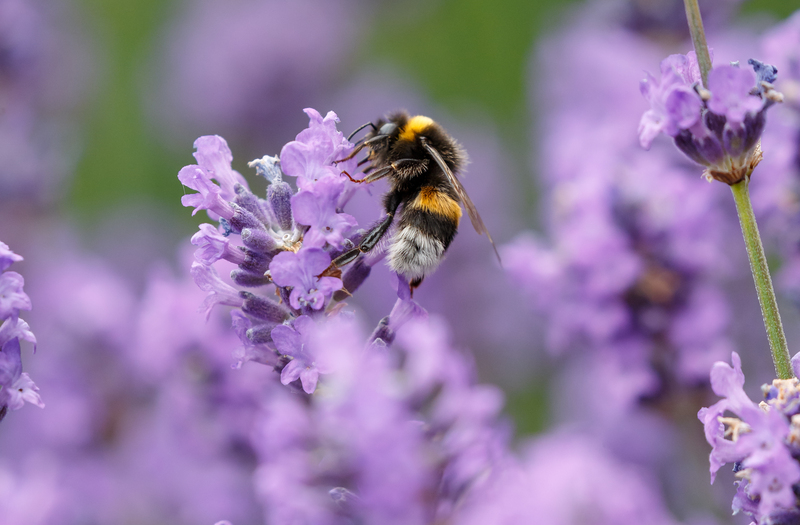
Container gardening fits perfectly with sustainable living--it reduces food miles, supports pollinators, and conserves water. Here's how you can make your container garden even more eco-friendly:
- Use organic potting soils and fertilizers.
- Collect rainwater for irrigation.
- Repurpose or recycle containers whenever possible.
- Choose native, drought-tolerant plants for waterwise gardening.
- Compost kitchen scraps and use as fertilizer.
Frequently Asked Questions about Container Gardening
How often should I water my container plants?
Watering frequency depends on temperature, plant type, and container size. As a general rule, check soil moisture daily, especially in summer. Water deeply when the top inch of soil is dry.
Can I grow vegetables in small pots?
Absolutely! Many vegetables are well-suited to containers. Just choose compact or dwarf varieties and use deep enough containers for proper root growth.
What's the best location for my container garden?
Most plants prefer full sun, so a south-facing balcony, patio, or windowsill is ideal. Shade-loving plants do best in less direct light (east or north exposures).
Should I use mulch in containers?
Yes! Mulch helps conserve moisture, suppress weeds, and insulate soil against temperature swings--just like in traditional gardening.
Conclusion: Start Your Container Garden Today!
Container gardening is a rewarding, flexible, and creative way to grow beautiful plants and fresh food anywhere--from city rooftops to suburban patios. With as little as a pot and a packet of seeds, you can transform small spaces into vibrant gardens. Whether your goal is fresh herbs for the kitchen, homegrown veggies, or colorful flower displays, container gardening puts the joy of nature at your fingertips.
So why wait? Pick up a container, select your favorite plants, and watch your own creative garden grow--no yard required!
Latest Posts
Design a Calming Zen Garden for Peaceful Outdoor Moments
9 Ground Cover Plants to Turn Your UK Garden into a Green Oasis
Creating the Perfect Environment for Orchids
Container Gardening: A Creative Way to Grow Plants Anywhere
Against the Wind: Effective Strategies for Garden Protection